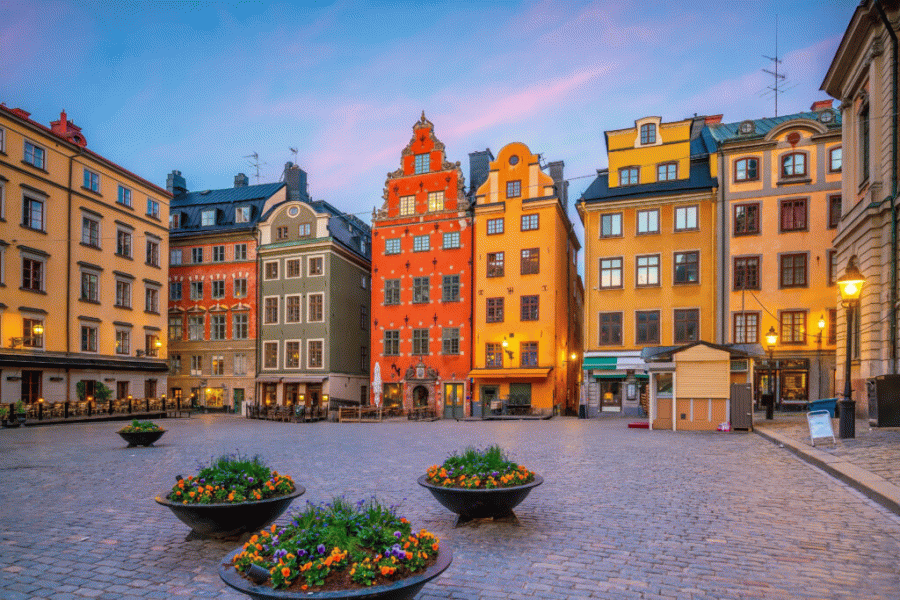
Discover the charm of Swedish design, innovation, quality lifestyle and best destination
Sweden, located in Northern Europe, is a captivating country known for its stunning natural beauty, innovative design, rich history, and high quality of life. With a population of around 10 million people, Sweden offers a unique blend of modernity and tradition. The country is renowned for its pristine lakes, dense forests, and picturesque coastal landscapes. Swedish culture embraces a strong sense of equality, social welfare, and innovation. The country is recognized for its design, fashion, and furniture, with brands like IKEA and H&M originating from Sweden. Sweden is also known for its contributions to music, literature, and film, with notable Swedish artists, authors, and filmmakers gaining international acclaim.
Things to do: Go Wildlife Watching, Try Ice Skating on Natural Ice, Attend a Swedish Festival, Go Cross-Country Skiing
Best Time to Visit
March - August
● Peak Season
September - November
● Moderate Season
(December - February)
● Off Season
What to Prepare for:
Warm weather, long daylight hours (midnight sun in the north), outdoor activities like hiking and swimming, and festivals.
What to Prepare for:
Weather becomes cooler, and daylight hours decrease. You may find cities preparing for winter holidays late in the season
What to Prepare for:
It is very cold and dark, especially in the north. Many attractions may be closed during the Christmas holiday period
Itinerary
Day 1 Explore Stockholm's History & Culture
Arrive in Stockholm and tour the City Hall and the Royal Palace, then wander through the medieval streets of Gamla Stan (Old Town).
Discover the Vasa Museum (home to a salvaged 17th-century warship), the Skansen Open-Air Museum, and explore the trendy Södermalm area.
Day 2 Day Trip to Sigtuna
Take a trip to Sweden’s oldest town, Sigtuna, to view ancient runestones, explore St. Mary’s Church, and visit nearby palaces such as Skokloster Castle
Day 3 Malmö & Ystad
Travel to Malmö and explore Malmöhus Castle and the Öresund Bridge connecting to Copenhagen
Day 4 Gothenburg & Marstrand
Travel to Gothenburg, the second-largest city in Sweden. Take a Paddan boat tour along the canals and make your way to the Skansen Kronan fortress for stunning views over the city.
Day 5 Swedish Lapland Adventure
Travel to Swedish Lapland by plane or train for a true Arctic journey. Seasonal highlights include staying at the Icehotel in Jukkasjärvi or viewing the Northern Lights or Midnight Sun
How To Reach SWEDEN
Flight -
Sweden has several international airports, with Stockholm Arlanda Airport being the largest and busiest. It serves as the main gateway for international flights. Other major airports include Gothenburg Landvetter Airport and Malm� Airport. Direct flights connect Sweden to various cities around the world.
Rail -
Sweden is connected to neighboring countries through an extensive rail network. High-speed trains, such as the SJ's X2000, connect major cities like Stockholm, Gothenburg, and Malm� with cities in Denmark, Norway, and other European destinations. The �resund Bridge connects Copenhagen (Denmark) to Malm� (Sweden) by train.
Road -
Sweden has a well-developed road network, making it easily accessible by car or bus. The European route E4 connects Sweden to neighboring countries like Norway and Denmark. The �resund Bridge also allows for road travel between Denmark and Sweden.
Sea -
Sweden has several ports that receive ferries from neighboring countries. The ports of Stockholm, Gothenburg, and Malm� are major entry points for ferry services from Denmark, Finland, Germany, and other Baltic Sea countries.
How To Get Around
Trains -
Sweden has an extensive train network operated by SJ (Swedish Railways). Trains are a popular and efficient mode of transportation, connecting major cities and towns across the country. The high-speed trains, such as the X2000, offer comfortable and quick travel between major cities like Stockholm, Gothenburg, and Malm�.
Buses -
Buses are an excellent option for traveling to destinations not directly served by trains. Multiple bus operators, such as Swebus and FlixBus, provide extensive coverage of both urban and rural areas in Sweden. Bus travel is often affordable and offers flexibility in terms of routes and schedules.
Metro/Trams -
Stockholm, Gothenburg, and Malm� have well-developed metro and tram systems that provide efficient transportation within these cities. These systems are especially useful for getting around urban areas and accessing popular attractions and neighborhoods.
Taxis -
Taxis are available in most cities and towns in Sweden. They can be hailed from designated taxi stands or booked through taxi apps. Taxis are generally safe and reliable, but they can be more expensive compared to other modes of transportation.
Rentals -
Renting a car provides flexibility and convenience, especially if you plan to explore rural areas or prefer to have your own transportation. Sweden has well-maintained roads, and there are several car rental companies available at airports and major cities.
Cycling:-
Sweden is known for its bike-friendly infrastructure, and cycling is a popular mode of transportation, particularly in urban areas. Many cities have dedicated bike lanes, and bike rentals and sharing services are widely available.
Traditional Food
Classic Swedish food includes well-known dishes like meatballs paired with lingonberry jam and gravy, pickled herring, and pea soup accompanied by pancakes. Additional staples are open-faced sandwiches, raggmunk (potato pancakes), and baked treats such as the kanelbulle (cinnamon bun), typically eaten as part of the coffee tradition called fika
MEATBALLS
GRAVLAX
TOAST SKAGEN
PRINCESS CAKE
CINNAMON BUNS
Submit your Reviews
Top Attractions
Stockholm, Stockholm Archipelago Cruise, Sunrise Zen Husky, Husky Ride Dog Sled



.jpeg)
.jpeg)
.jpeg)
.jpeg)