We earn commissions when you shop through the links below

Japan

Timeless Japan - Where Ancient Meets Tomorrow.

Japan
Japan
Japan
Japan

Japan

Timeless Japan - Where Ancient Meets Tomorrow.

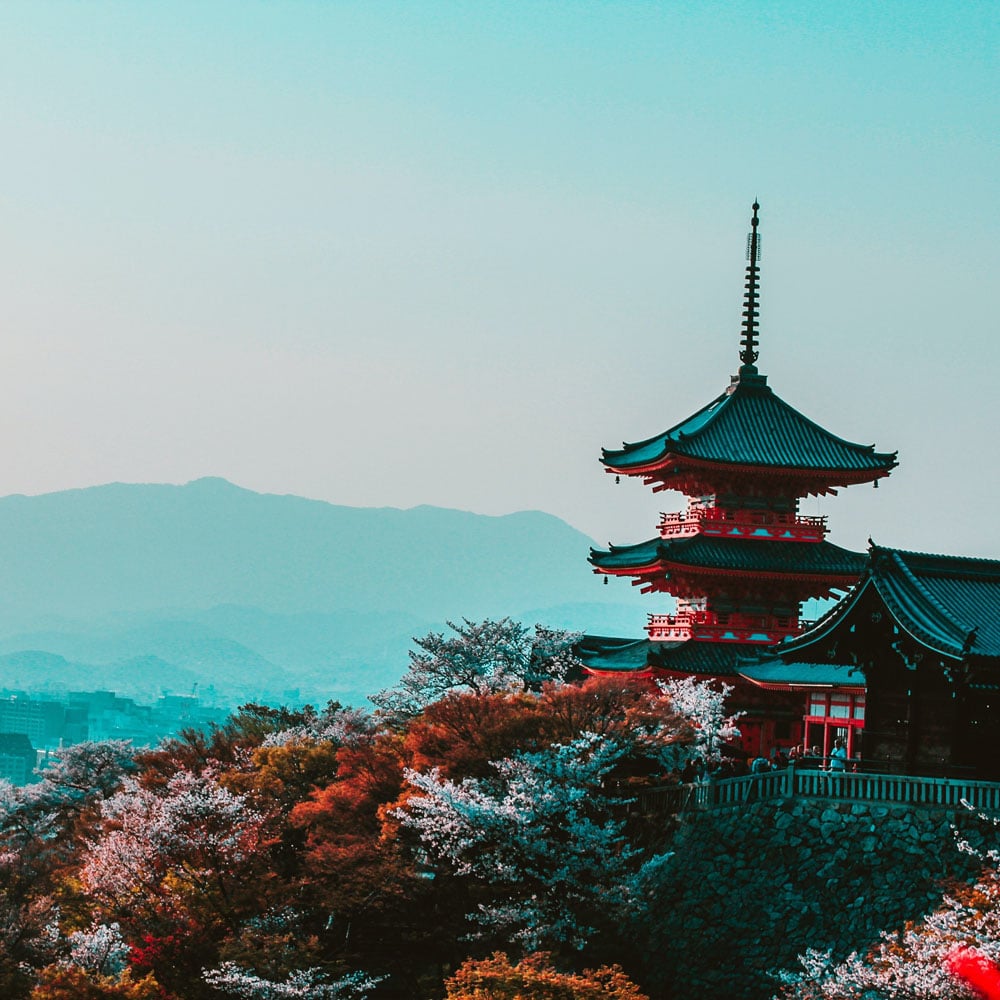
Japan is a beautiful country that is also one of the world's most prosperous. It is the ultimate mixture of technology and tradition. The Land of old temples coexist with neon wonderlands, while Shinto shrines provide pockets of tranquility amidst metropolises. Japan is culturally rich and provides a wide range of fascinating activities in architecture, art, music, food, lifestyle, and nature. Add tea ceremonies, snow monkeys, sushi, kimonos, cherry blossom festival and karaoke to the mix, and you have one of the most intriguing countries on the planet. There are Hidden Gems In Japan which usually traveller are unaware of it. Here we will provide in-depth location details

Best time to visit in Japan: Sep-To-Nov
Things to do: Climb Mount Fuji, Enjoy Kabuki Dance, Watch a Sumo Show, Go to Cherry Blossom Festival

Best Time to Visit

March - May

Peak Season

June - August

Moderate Season

September - February

Off Season

March - May

Best time to visit japan, in these day japan have pleasant weather with beautiful cherry blossoms and ideal sightseeing conditions.

June - August

Here the season ends, but you can feel the warm temperatures with lively festivals, greenery, and occasional rainfall.

September - February

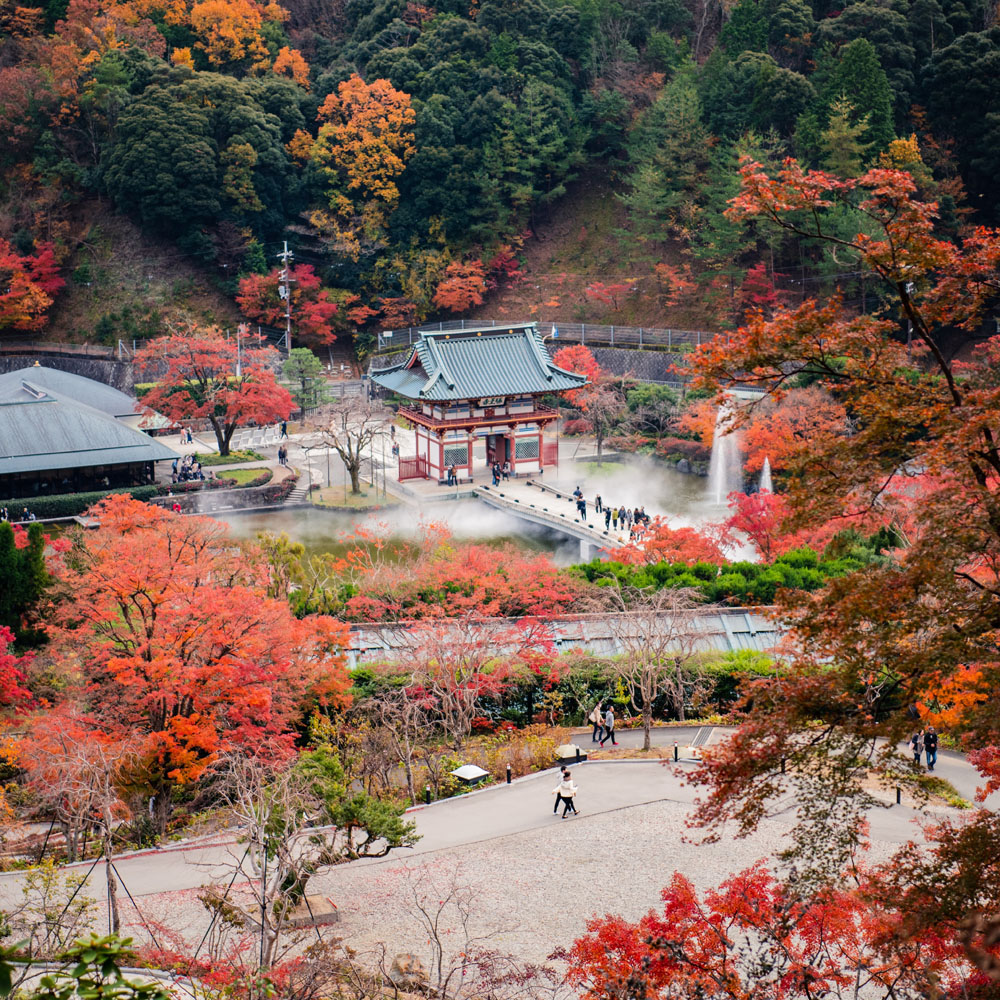
You can enjoy with less crowd with cool weather with autumn foliage, winter snow, and fewer tourist crowds.

Things to Do in Japan

Universal Studios Japan

Universal Studios Japan

Travel Cost : Approx. $1,320 - $1,730 / Person | 3 Days - 2 Nights | 2 - 3 Star Hotel
Tokyo National Museum

Tokyo National Museum

Travel Cost : Approx. $1,200 - $1,610 / Person | 3 Days - 2 Nights | 2 - 3 Star Hotel
Tokyo Disneyland

Tokyo Disneyland

Travel Cost : Approx. $1,315 - $1,795 / Person | 3 Days - 2 Nights | 2 -3 Star Hotel
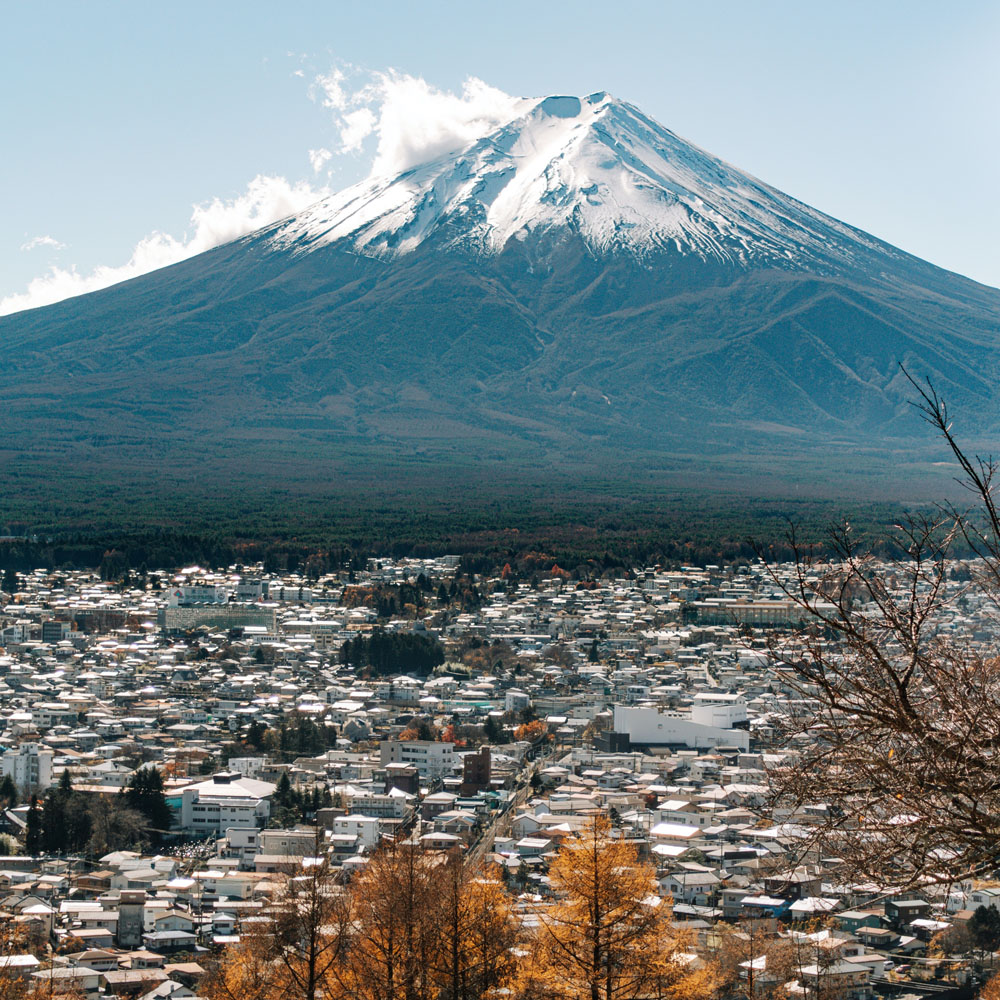
Mount Fuji

Mount Fuji

Travel Cost : Approx. $650 - $900/Person | 3 Days - 2 Nights | 2- 3 Star Hotel
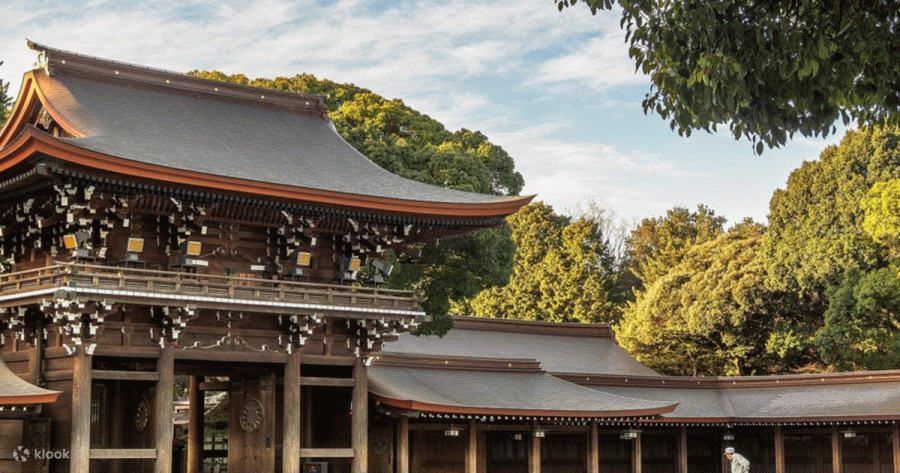
Meiji Shrine

Meiji Shrine

Travel Cost : Approx. $1,200 - $1,600 / Person | 3 Days - 2 Nights | 2 - 3 Star Hotel

Itinerary

Day 1 Tokyo - Arrival & First Impressions

- Arrive at Narita or Haneda Airport and check into your hotel near Shinjuku Station
- Pick up your Suica or IC card at the airport for seamless transit payments
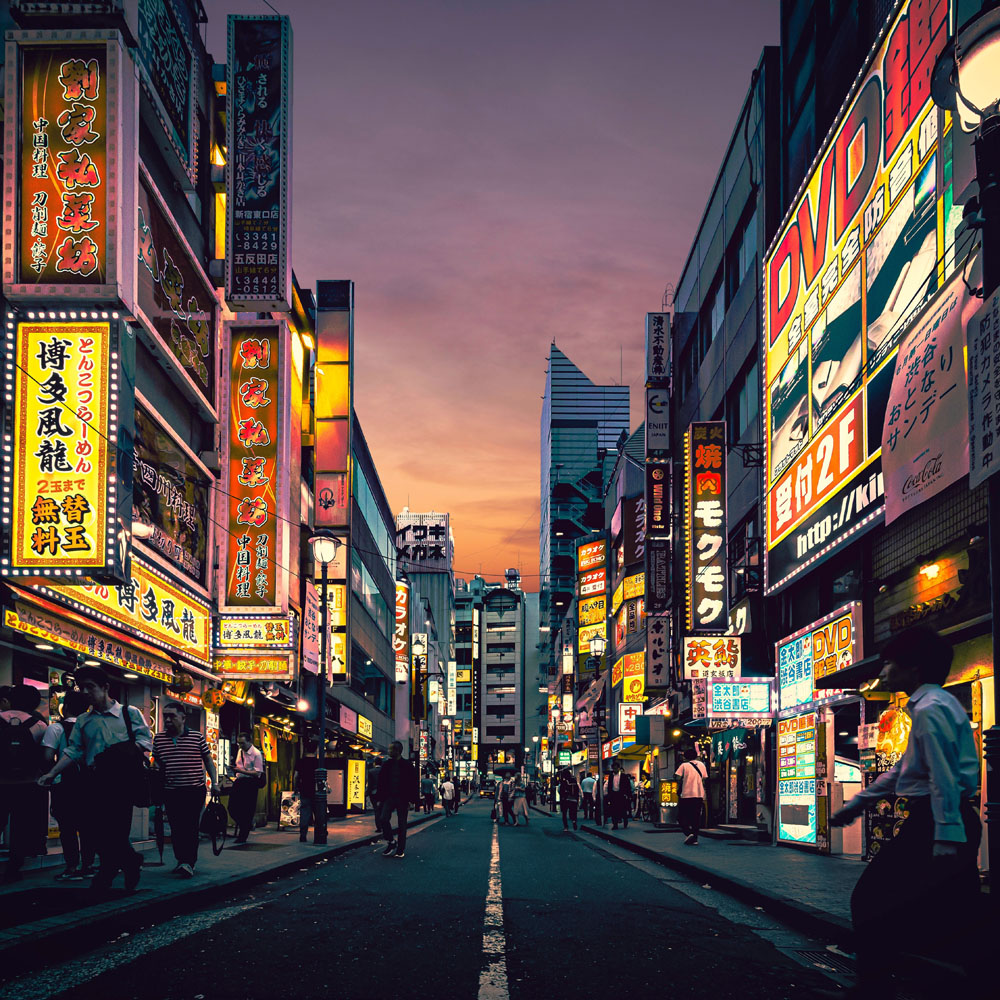
- Take a slow evening walk through Shinjuku - neon lights, food alleys, and Golden Gai
- Try your first convenience store meal at 7-Eleven or Lawson
- Rest early - jet lag is real and the next 13 days are packed

Day 2 Day 2: Tokyo - Culture & Landmarks

- Start early at Senso-ji Temple in Asakusa before the crowds arrive
- Walk through Nakamise Shopping Street for traditional snacks and souvenirs
- Head to Tokyo Skytree for panoramic views across the entire city
- Explore Ueno Park and visit the Tokyo National Museum
- End the evening in Akihabara for electronics, anime, and street food

Day 3 Day 3: Tokyo - Neighbourhoods & Modern Culture

- Morning visit to Meiji Shrine in Harajuku - peaceful forested escape in central Tokyo
- Walk through Takeshita Street for Harajuku street fashion and crepes
- Explore Omotesando - Tokyo's most elegant tree-lined boulevard with flagship stores
- Head to Shibuya Crossing at dusk for the iconic scramble crossing experience
- Spend the evening in Shibuya or Shinjuku for dinner and nightlife

Day 4 Day 4: Hakone - Mount Fuji & Nature

- Take the Romancecar train from Shinjuku to Hakone (approximately 85 minutes)
- Ride the Hakone Ropeway over volcanic valleys and Owakudani sulphur vents
- Cruise on Lake Ashi with clear-day views of Mount Fuji reflected in the water
- Visit Hakone Open Air Museum for sculptures set against mountain scenery
- Book the Hakone Freepass for unlimited transport across the entire area
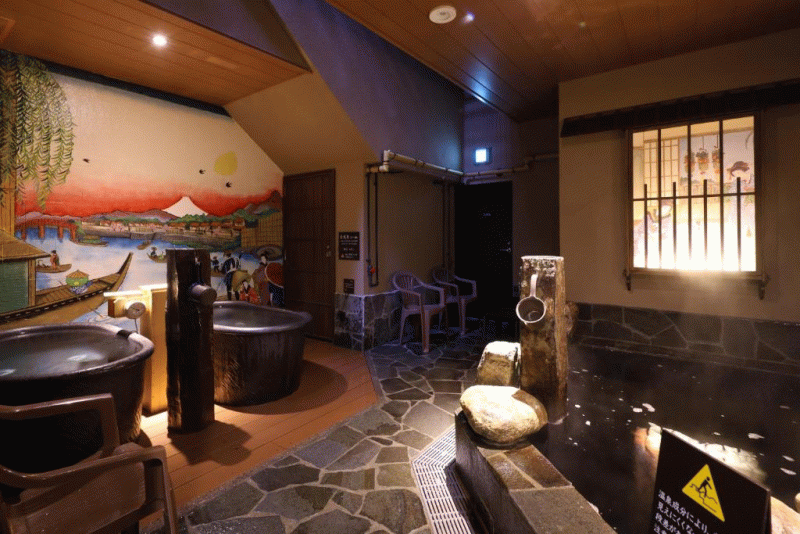
- Stay overnight in Hakone for an evening onsen experience

Day 5 Day 5: Kyoto - Arrival & Eastern Temples

- Travel from Hakone to Kyoto by shinkansen (approximately 2 hours)
- Check in and rent a bicycle for the most efficient way to explore the city
- Visit Fushimi Inari Shrine in the late afternoon as the crowds thin out
- Walk the lower torii gate trails for stunning photo opportunities
- Explore Gion District at dusk among traditional wooden machiya townhouses
- Keep an eye out for geisha and maiko on the narrow stone-paved lanes

Day 6 Day 6: Kyoto - Temples & Bamboo

- Wake before dawn and head to Arashiyama Bamboo Grove before 8 a.m.
- Visit Tenryu-ji Temple and its stunning garden within the Arashiyama complex
- Cross the iconic Togetsukyo Bridge over the Oi River
- Head to Kinkaku-ji (Golden Pavilion) - Japan's most photographed temple
- Visit Ryoan-ji for its famous minimalist rock garden
- End the day at Nishiki Market - Kyoto's narrow five-block covered food market

Day 7 Day 7: Osaka - Food & Energy

- Travel from Kyoto to Osaka by shinkansen (approximately 15 minutes)
- Check in and head straight to Dotonbori for takoyaki, okonomiyaki, and street food
- Visit Osaka Castle and walk through the surrounding parkland
- Explore Shinsekai - a retro neighbourhood with kushikatsu and old-school atmosphere
- Wander through Amerikamura (American Village) for street culture and vintage fashion
- End the night at Namba Yards or Hozenji Yokocho alley for local dining

Day 8 Day 8: Osaka - Deep Exploration

Start the morning at Kuromon Ichiba Market - Osaka's 170-year-old kitchen market
Visit Umeda Sky Building for stunning panoramic views from the floating garden observatory
Explore Tennoji neighbourhood - Tennoji Zoo, Tennoji Park, and Abeno Harukas tower
Browse Shinsaibashi Shopping Arcade for fashion, cosmetics, and souvenirs
Try Osaka's lesser-known dishes - fugu, horumon, and negiyaki in the evening
Visit Den Den Town - Osaka's version of Akihabara for electronics and anime

Day 9 Day 9: Nara - Sacred Deer & Ancient Temples

Travel to Nara in just 35 minutes by express train from Osaka
Enter Nara Deer Park and hand-feed the freely roaming sacred deer
Visit Todai-ji Temple - home to Japan's largest bronze Buddha statue
Explore Kasuga Taisha Shrine lined with hundreds of stone and bronze lanterns
Walk through Naramachi - a beautifully preserved Edo-period merchant quarter
Browse local shops for traditional Nara ink, brushes, and persimmon leaf products
Return to Osaka or travel directly to Hiroshima by shinkansen in the evening

Day 10 Day 10: Hiroshima + Miyajima Island

- Start the morning at Hiroshima Peace Memorial Park - a deeply moving and important site
- Visit the Peace Memorial Museum to understand the full history of August 6, 1945
- See the Atomic Bomb Dome (Genbaku Dome) - a UNESCO World Heritage Site
- Take a 30-minute ferry from Hiroshima to Miyajima Island
- See the iconic floating torii gate of Itsukushima Shrine at high and low tide
- Hike up Mount Misen for sweeping views over the Seto Inland Sea
- Sample Miyajima's famous momiji manju (maple leaf cakes) at a local shop
- Board the shinkansen toward Osaka or continue onward to Takayama

Day 11 Day 11: Takayama - Japanese Alps

- Travel to Takayama by limited express train (approximately 2.5 hours from Osaka)
- Check into a traditional ryokan for an authentic mountain town experience
- Stroll through Sanmachi Suji - a perfectly preserved Edo-period merchant district
- Explore Jinya-mae Morning Market for local produce, pickles, and crafts
- Visit Takayama Jinya - a rare surviving Edo-era government outpost
- Try Hida beef - Takayama's prized local wagyu grilled on a skewer
- Browse sake breweries along the old town streets
- Soak in the ryokan's private onsen bath before bed

Day 12 Day 12: Shirakawa-go + Kanazawa

- Take an early morning bus to Shirakawa-go (approximately 50 minutes from Takayama)
- Walk through UNESCO-listed gassho-zukuri farmhouses with dramatically steep thatched roofs
- Climb Shiroyama Viewpoint for a sweeping aerial view over the entire village
- Visit Wada House - the largest and best-preserved farmhouse open to the public
- Head to Kanazawa by limited express train (approximately 1.5 hours from Takayama)
- Arrive and explore Higashi Chaya District - a beautifully preserved geisha quarter
- Dine on fresh Kanazawa seafood - snow crab, sweet shrimp, and yellowtail

Day 13 Day 13: Kanazawa - Gardens & Culture

- Spend the morning at Kenroku-en Garden - one of Japan's top three traditional landscape gardens
- Explore Kanazawa Castle Park right next to Kenroku-en
- Visit the 21st Century Museum of Contemporary Art - one of Japan's most visited modern art spaces
- Walk through Nagamachi Samurai District - mud-walled lanes and well-preserved samurai residences
- Browse Omicho Market for fresh seafood and local Kanazawa produce
- Visit Nishi Chaya District - a quieter and less touristy geisha quarter
- Take the evening Hokuriku Shinkansen back to Tokyo (approximately 2.5 hours)

Day 14 Day 14: Tokyo - Final Day & Departure

- Start the morning at Tsukiji Outer Market for a final sushi or seafood breakfast
- Visit Yanaka - one of Tokyo's last old-town neighbourhoods for a slow morning walk
- Head to Ginza for last-minute high-end shopping and flagship department stores
- Pick up omiyage (souvenirs) at any major train station gift shop
- Allow at least 90 minutes travel time to Narita Airport from central Tokyo
- Allow at least 60 minutes travel time to Haneda Airport from central Tokyo
- Both airports offer smooth and reliable express train connections from the city centre

Day 15 More Information read our Blog

Festivals and Events

Cherry Blossom Festival -
Famous spring celebration featuring blooming sakura trees across the country.

Gion Matsuri -
One of Japan's most iconic summer festivals with grand parades and traditional floats.

Sapporo Snow Festival -
Popular winter festival known for massive snow and ice sculptures.

Tanabata Festival -
Star festival celebrated with colorful decorations and wishes written on paper strips.

Nebuta Matsuri -
Vibrant festival featuring illuminated warrior floats and energetic performances.

Fuji Shibazakura Festival -
Scenic flower festival showcasing pink moss phlox near Mount Fuji.

Awa Odori Festival -
Traditional dance festival filled with music, costumes, and lively street performances.

New Year Celebrations in Japan -
Major cultural holiday marked by temple visits, traditional food, and festivities.

Near By Hotels

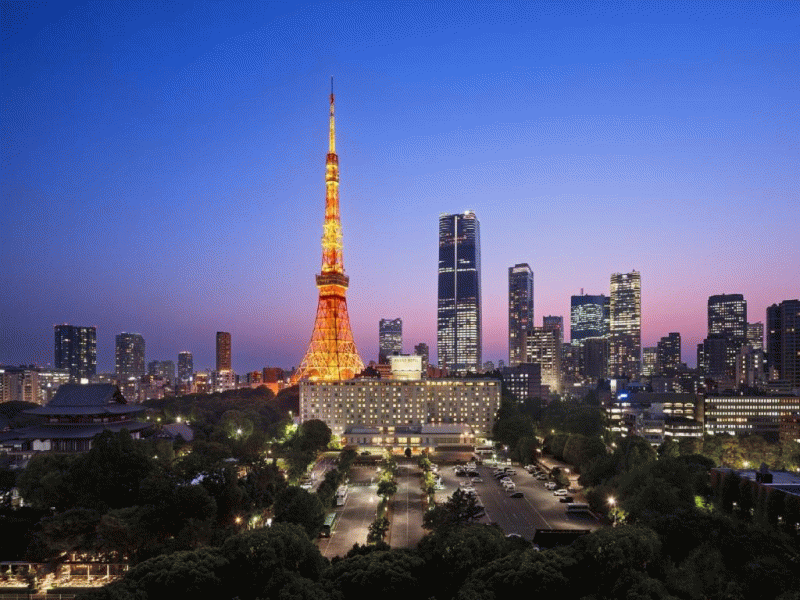
Tokyo Prince Hotel

Tokyo Prince Hotel

$178.28 / Per Night / 2 person / Plan Trip

HOW TO REACH JAPAN

Flight - The best and only way to go to Japan is via flying. There are numerous direct flights as well as connections between India and Japan. Osaka International Airport, Narita Airport, Haneda Airport, and Kansai Airport are Japan's principal airports. The majority of the planes land in Tokyo's Haneda Airport from India. The approximate flying distance from India to Japan is 5968 km, and it takes 5 to 6 hours to get there. Only Delhi has direct flight connections; connecting flights are available from other cities such as Chennai , Bangalore , Mumbai , etc.

HOW TO GET AROUND

Rail -
Trains in Japan are regarded for being dependable and efficient. A 2-hour bullet train ride can replace a 10-hour bus trip. When it comes to getting around Japan, the train network is undeniably the crown jewel of the country's infrastructure. Japanese trains are world-renowned for their extraordinary punctuality, cleanliness, and efficiency - qualities that have become a source of national pride.
The highlight of the rail system is undoubtedly the Shinkansen, or bullet train, which connects major cities across the country at breathtaking speeds. A journey that might consume an exhausting 10 hours by bus can be comfortably completed in just around 2 hours aboard a Shinkansen. This makes rail travel not only a time-saving choice but also a far more comfortable and scenic one.
For frequent travelers, investing in a JR Pass (Japan Rail Pass) is highly recommended, as it offers unlimited rides across the majority of JR-operated lines for a fixed period - offering excellent value for money.

Local Bus -
Local bus services in Japan are just as effective and less expensive than railways, although they require more time to travel. For travelers looking to keep their budget in check, local bus services present a practical and cost-effective alternative to trains. While buses naturally take longer to reach destinations due to road traffic and multiple stops, they compensate by offering lower fares and wider reach into areas that rail lines may not cover.
Local buses are particularly useful when exploring smaller towns, mountain villages, or off-the-beaten-path destinations where train connectivity is limited. Many cities also operate highly efficient urban bus networks that run on predictable schedules, making them a reliable choice for day-to-day commuting within a region.
Travelers should consider picking up a local IC card (such as Suica or Pasmo), which works seamlessly across both trains and buses, eliminating the hassle of purchasing individual tickets every time.

Car -
Renting a car is an additional alternative. However, rentals can be pricey, and parking can be a nuisance. In Japan, taxis run within cities, but they are a costly alternative to the superior train and bus systems. For those who prefer the liberty of traveling at their own pace, renting a car in Japan is a perfectly viable option - especially in rural regions like Hokkaido, the Noto Peninsula, or parts of Kyushu, where public transport connections are sparse or infrequent. You can explore these Hidden Gems In Japan with Japan.
However, there are a few important considerations to keep in mind. Car rental costs in Japan can be relatively high, and navigating the country's strict parking regulations in urban areas can turn into a stressful experience. Parking fees in major cities like Tokyo and Osaka can also add up quickly. It is therefore advisable to reserve car travel primarily for countryside exploration, where the open roads and stunning landscapes truly make the experience worthwhile. You can explore these Non Touristy Things To Do In Tokyo also
An International Driving Permit (IDP) is mandatory for foreign visitors wishing to drive in Japan, so ensure you arrange this before your departure.


Pro Travel Tips

Combining multiple modes of transport is often the smartest strategy when traveling across Japan. Use the Shinkansen for long intercity journeys, switch to local trains or buses for regional exploration, rent a car for remote rural adventures, and call a taxi only when absolutely necessary. This blended approach ensures you travel efficiently, economically, and with maximum flexibility — especially when you have a list of the Best Cities To Visit In Japan on your itinerary. This blended approach ensures you travel efficiently, economically, and with maximum flexibility throughout your Japanese journey.


Destination Shorts2

Traditional Food

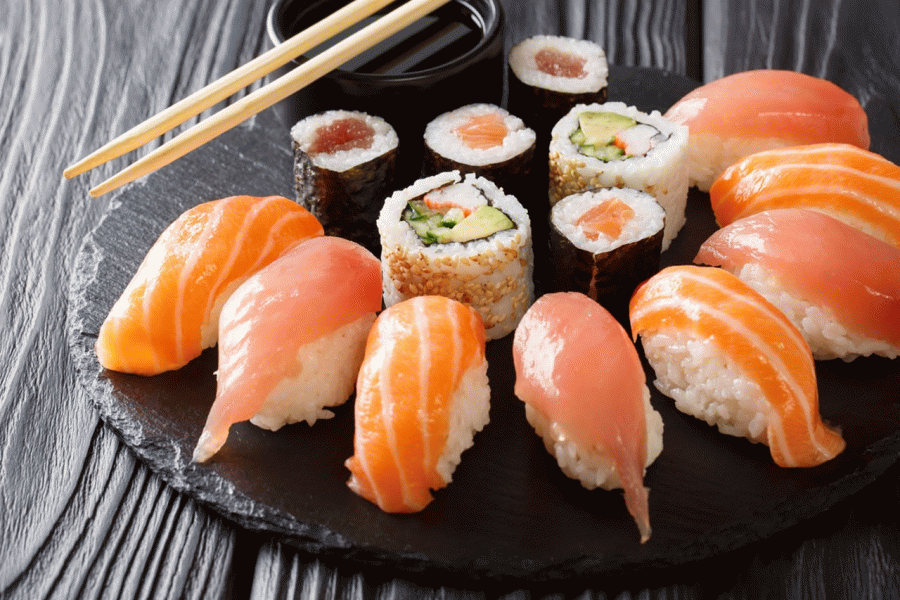
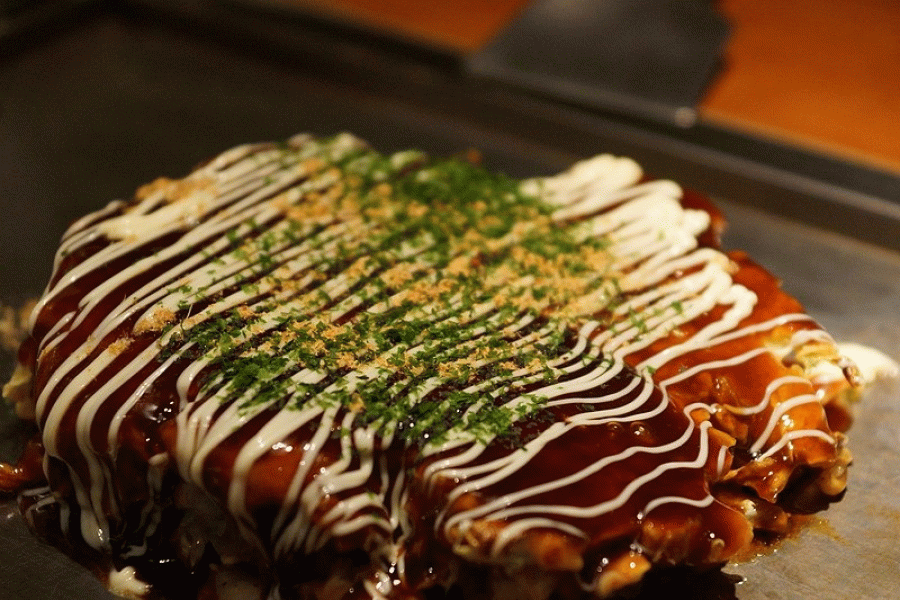
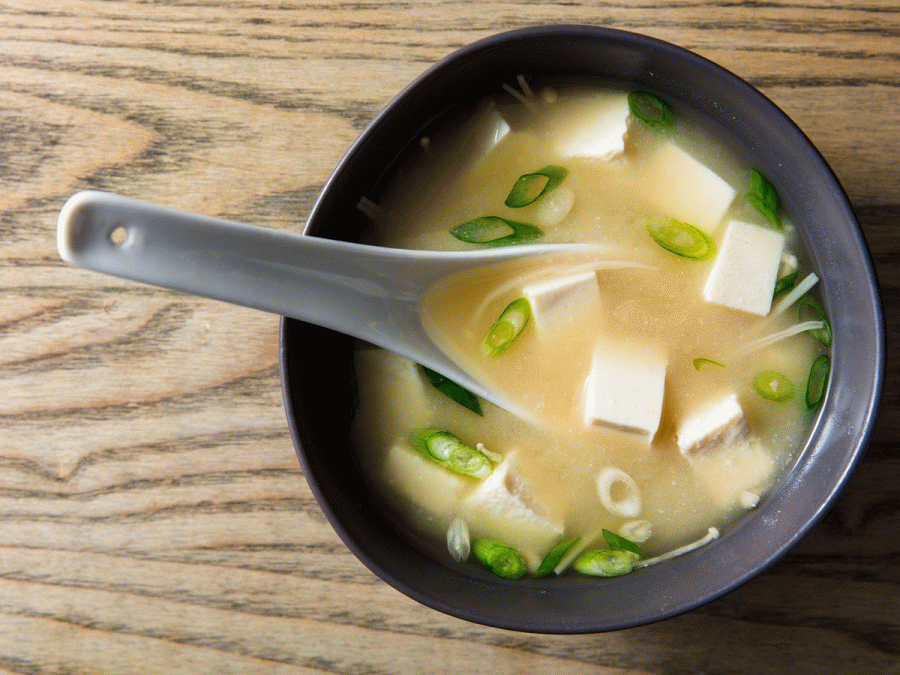
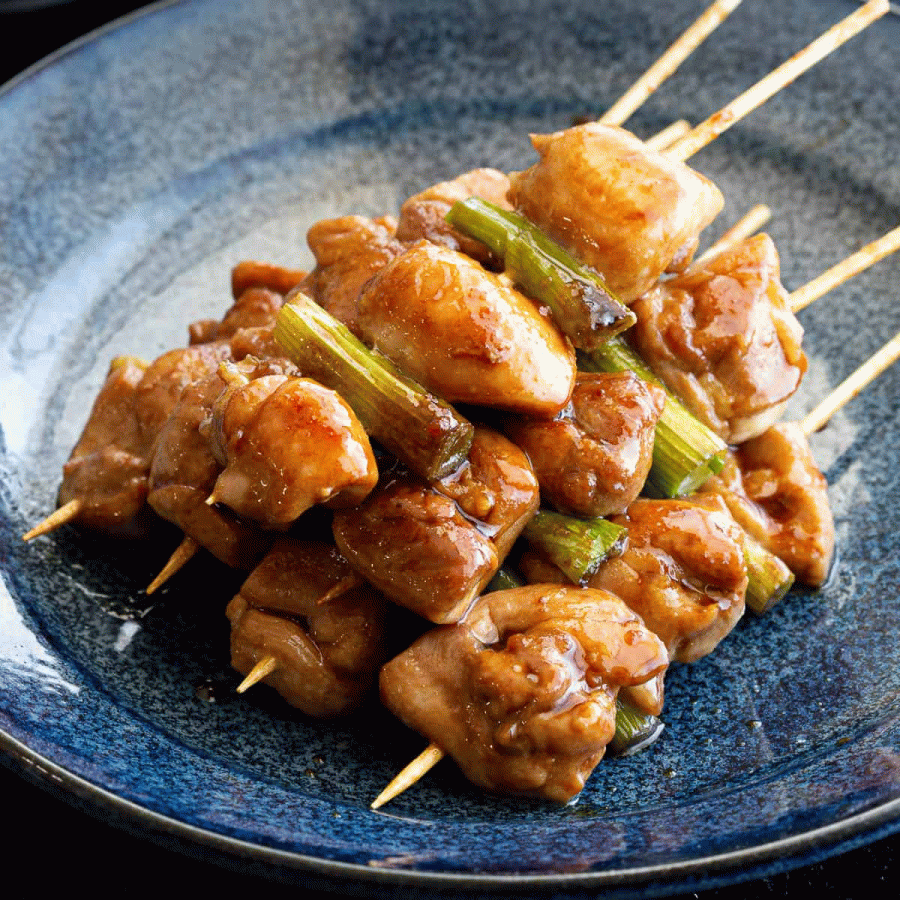
Try out authentic Japanese Food in Japan! Exploring cities and cafes? Let us, TravelNags, help you finding the most famous food dishes in Japan! Below is the list of Best Food for you to try while exploring Japan Tourism.

Sushi

Sushi

Okonomiyaki

Okonomiyaki

Miso Soup

Miso Soup

Yakitori

Yakitori

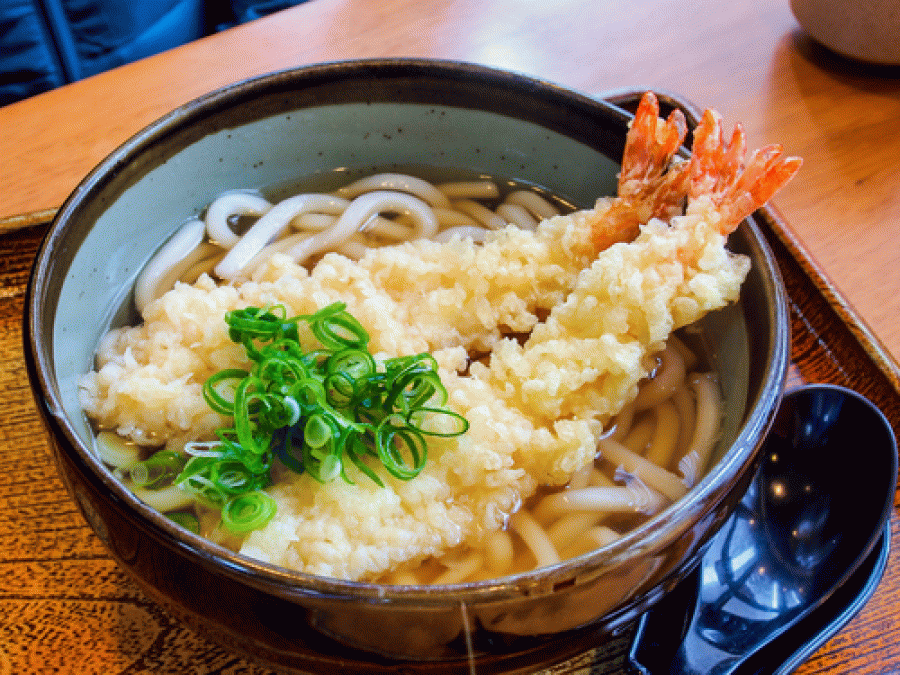
Udon

Udon

Takoyaki

Takoyaki

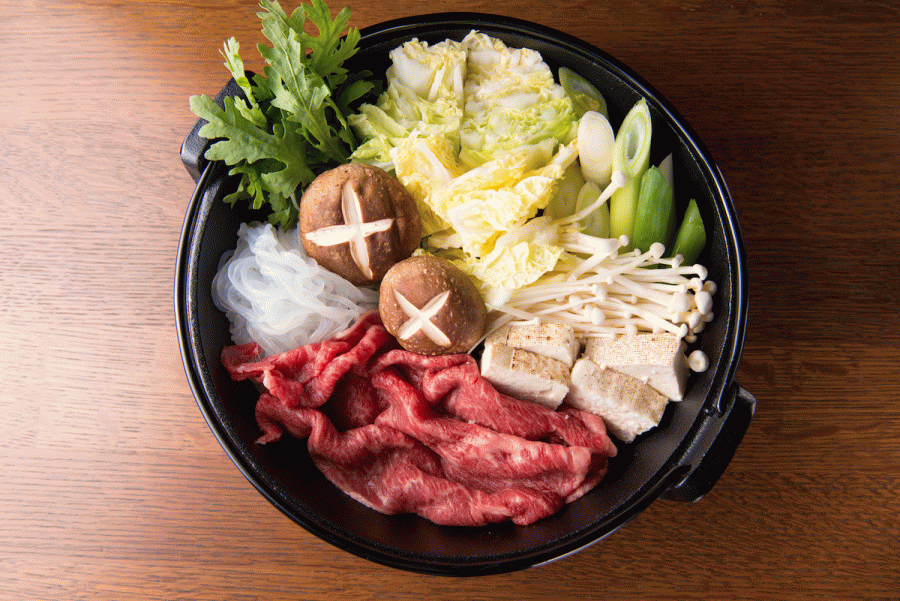
Sukiyaki

Sukiyaki

Frequently Asked Questions

Do I need a visa

Currently Japan has agreements with 67 countries allowing these citizens to enter Japan without the need for a visa Nationals of all other countries will require a visa

What is the currency of Japan

The operating currency of the country is the Japanese Yen JPY

When is the best time to visit Japan

The best time to visit Japan is in March-May

How safe is Japan for a tourist

In context of safety Japan is a very safe country particularly for tourists It has strict rules and regulations for the safety of their tourists

Which language is used in Japan

Japanese is the official language of Japan

What can I bring through Customs

Baggage or accompanying items which are deemed as being for personal use only and are within the restricted quantity of duty-free as specified by the customs regulations

What are the must-see tourist spots in Japan recommended by travel companies

Mount Fuji Tokyo s Shibuya Crossing Kyoto s temples Hiroshima Peace Memorial Osaka Castle and Nara s deer park are top picks

What are the top cultural attractions in Kyoto

Fushimi Inari Shrine Kinkaku-ji Golden Pavilion Arashiyama Bamboo Grove Gion District and Nijo Castle are Kyoto s finest cultural gems

How much money should you take to Japan for 2 weeks

Budget travelers need around 80� � 100 day mid-range travelers should plan for 150� � 250 day totaling roughly 1 500� � 3 500 for two weeks

How much would a 2-week round trip to Japan cost

Including flights hotels food and transport expect to spend 3 000� � 7 000 per person depending on travel style and origin country

What is the 1 tourist attraction in Japan

Mount Fuji is widely considered Japan s most iconic and visited landmark symbolizing the country s natural beauty

Is 5 000 enough for 2 weeks in Japan

Yes 5 000 is comfortable for a mid-range 2-week trip covering flights accommodation food transport and sightseeing with room to spare

Submit your Reviews

Top Attractions

Japan Tourism is the way to go- for the perfect Vacation Destination! Let us, TravelNags, list out the Top Tourist Attractions of Japan for you. Explore Japan like never before!

Powered by GetYourGuide
TravelNags

More Places