
 Mar 09,2026
 By: Deepansha
Overview
Things to do in Aruba go far beyond the usual beaches and resorts. I visited thinking it would be just another Caribbean getaway, but this tiny Dutch Caribbean paradise surprised me at every turn—from desert-like landscapes to turquoise waters that look almost unreal. And the best part? There’s so much to explore, from hidden beaches and rugged coastlines to snorkeling with turtles and spotting flamingos, that lounging by the pool is just the beginning.
Planning your trip? Check Trivago for the best hotel deals in Aruba and find the perfect spot to base your adventures.
Whether you're planning an aruba family vacation or searching for romantic things to do in aruba for couples, this island has something for literally everyone. I've spent weeks exploring every corner, making mistakes, discovering hidden gems, and yes—getting sunburned more times than I'd like to admit.So let me save you some trouble and share the absolute must-dos on this One Happy Island.
A lot of people think Aruba is just another Caribbean vacation spot, but it's a hidden gem with more than just nice hotels and beaches. This island in the Dutch Caribbean has a lot of different kinds of land, like deserts and beautiful turquoise waters. If you're going to Aruba with your family or your partner, there's something for everyone. I've been to the island a lot, and I've written down things you should do and ways to make your time there even better.
- Sunshine All Year Round: Because Aruba is outside the hurricane belt, it is mostly sunny. The best time to go is in January and February, when the weather is nice but prices and crowds are high.
- Shoulder Seasons: The best time to go is from April to August, when the weather is still nice but there aren't as many tourists and prices are lower.
- The white sand at Eagle Beach is soft and squeaky, and the water is calm and turquoise.
- You can park for free, but you should get there early to get the best spots.
- The water is shallow, so families can enjoy it.
- Palm Beach:- A lot of hotels are tall and have water sports. It's easy to get food and do things here, so families will love it. Get to the beach early to get a good spot.
- Baby Beach:- A lagoon with shallow water that is perfect for families.You can snorkel right outside the lagoon. Get there early to avoid crowds and find a place to park.
Natural Wonders:
- Arikok National Park:- Twenty percent of the island is made up of unique desert landscapes and trails for hiking. There are natural caves and pools there, like the Conchi natural pool.
- California Lighthouse:- You can see the coast from all sides.The middle of the morning is the best time to go because there aren't as many people and the light is nice.
- Natural Bridge Ruins:- Beautiful limestone formations on a rough coast. You shouldn't swim there, but you should look around.
- Snorkeling at Mangel Halto Beach:- This beach is a secret treasure with colorful coral reefs and a lot of sea life. It's best to go early in the morning when the water is calm.
- Off-Roading:- Take your 4x4 to the rough north coast.Go to beaches that aren't built up yet, like Dos Playa and Andicuri.
- UTV Tours:- These are guided trips through the countryside to see natural sights.
- Flamingo Beach on Renaissance Island: This is a private island where you can see friendly flamingos. To get there, you need a day pass.
- Butterfly Farm: A quiet garden full of butterflies that everyone can enjoy.
- Ostrich Farm in Aruba: You can see and play with ostriches and other rare birds.
Things to See in Culture:
- Oranjestad: The capital city has Dutch colonial buildings that are bright and colorful, as well as local restaurants
- San Nicolas:- This part of town has a lot of colorful murals and street art.
- Local Food: You can get real Aruban food at food trucks and markets close to you.If you want the freshest food, go to places that are busy.
Tips for Traveling:
- Rent a Car:- Needed to see more of the island than just the hotel.
- Use Sunscreen That Won't Hurt
- Reefs: This type of sunscreen won't harm coral reefs or the environment.
- Learn Some Papiamento: People in the area will like it if you try to talk to them in their language.
When's Actually the Best Time to Go to Aruba?
Here's the thing about timing your trip. Everyone asks about the best time to travel to aruba, and honestly? Pretty much any time works. But let me break it down.
The island sits outside the hurricane belt, which means while other Caribbean destinations are getting pummeled in August and September, Aruba is just... sunny.Always sunny. I mean, they get like 20 inches of rain per year. That's it.
That said, if you're asking about aruba in january or February, you're looking at peak season. The weather is absolutely perfect—mid-80s, gentle breezes, minimal rain.But here's the catch: everyone else knows this too. Prices spike, beaches get crowded, and you'll need to book everything months in advance.
Visit during shoulder season (April to August) and you'll find better deals, fewer crowds, and honestly? The weather's still incredible. Sure, it's a bit warmer, but we're talking 88°F instead of 82°F.Big deal.Hurricane season? Doesn't really affect Aruba. The island's too far south. So while it's technically the "off-season," you're not taking much of a gamble.
The Beaches That'll Blow Your Mind
Eagle Beach: The Postcard Come to Life
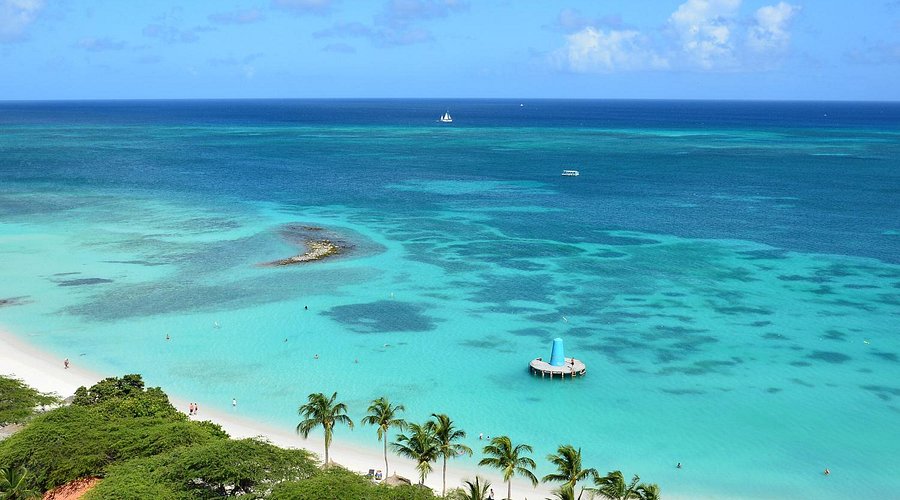
I'm not exaggerating when I say Eagle Beach might be one of the most beautiful beaches I've ever seen.And I've seen a lot of beaches. The sand is so white and soft it squeaks under your feet—like actual squeaking. My kids thought it was hilarious.
The water here is calm, clear, and that impossible shade of turquoise that makes you want to stay in forever. The famous divi-divi trees dot the shoreline, bent perpetually by the trade winds, creating these natural shade spots that are absolute gold during midday.Best part? It's public. No resort owns this beach. You can stake out a spot early morning (do this, trust me), bring your own chair and umbrella, and spend the entire day without spending a fortune on resort amenities.
Some Tips before Visiting Eagle Beach
- Parking is free, but there aren't many spots, so get there before 9 a.m. to get a spot near the beach entrance.
- There are a few vendors, but prices are higher and the selection is limited, so bring your own snacks and drinks.
- If you're looking for the best divi-divi tree for pictures, it's about halfway down the beach on the left side (if you're facing the water).
- If you don't want to carry your own chairs and umbrellas, you can rent them from local vendors for about $15 to $20 a day.
- The water stays shallow for a long way out, which is great for kids and people who aren't very good at swimming.
- Weekdays are the best time to visit if you want to avoid crowds, as weekends can be busier with locals.
Pro Tips:- It's better to walk or bike to Eagle Beach than drive if you live nearby.The coastal path is beautiful, you won't have to worry about parking, and you can easily cross it several times during your trip. It was so easy that we went back three times, and each time felt just as magical as the first.
Palm Beach: Where the Action Is
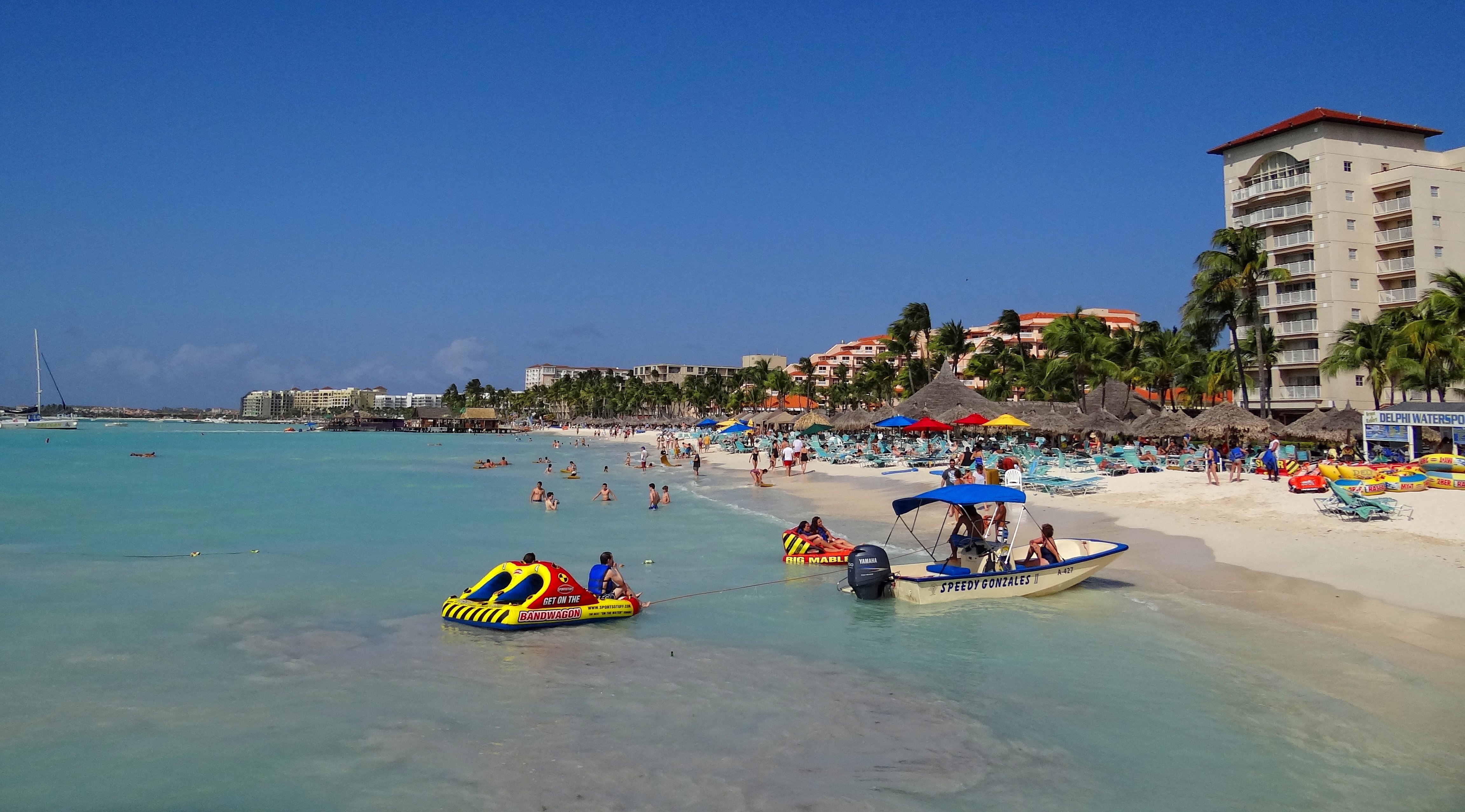
If Eagle Beach is the serene paradise, Palm Beach is its energetic cousin.This is where most of the high-rise hotels are located, which means more people, more action, more water sports, and more everything.
But don't write it off. The beach itself is gorgeous, and the convenience of having restaurants, bars, and activities right there is pretty fantastic, especially for an aruba family vacation. My kids loved being able to grab snacks without the whole family having to pack up and leave.
The water sports here are endless—parasailing, jet skiing, paddleboarding.I tried parasailing for the first time and honestly? Terrifying but incredible. You're up there looking down at the whole coastline, and it's just... yeah. Do it.
Quick Tips for Palm Beach:
- Arrive before 9am to snag the best spot on the sand—after that it gets packed fast.
- The northern end near the Marriott is usually less crowded than the central stretch.
- Most water sports operators offer combo deals if you book multiple activities together.
- Beach chairs and palapas (those thatched umbrellas) are available for rent, but they go quick on weekends.
- There's free public parking at the southern end, though spots fill up by mid-morning.
- Wednesday evenings often have beach bonfires and live music at various resort spots.
Pro Tip: Skip the overpriced resort beach bars and walk two minutes to the main road where local spots serve the same cold drinks for half the price. The small convenience stores also sell snacks, sunscreen, and beach toys way cheaper than hotel shops. Your wallet will thank you, and you'll feel like you've cracked the local code.
Baby Beach: Actually Perfect for Families
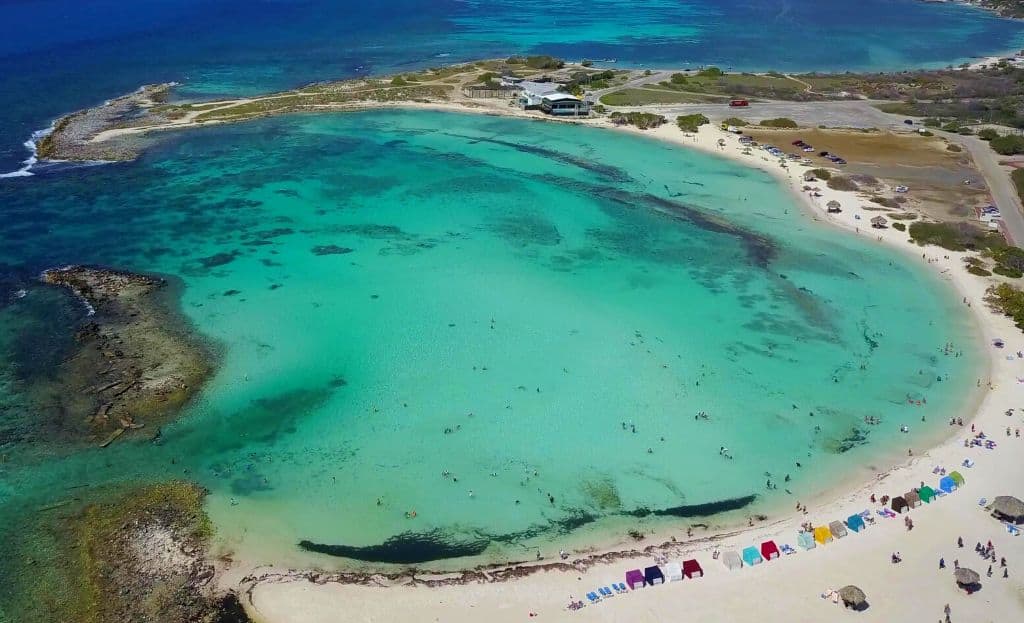
This beach is located down in San Nicolas, about a 30-minute drive from the hotel areas. It's a natural lagoon with calm, shallow waters that are genuinely perfect for little kids. My toddler could wade around for ages without me having a heart attack every five seconds.But here's what surprised me—the snorkeling just outside the lagoon area is fantastic. You've got this protected shallow area, then you swim out a bit and boom, you're seeing colorful fish and coral. It's like getting two beaches in one.
Extra Tips for Baby Beach:
- Bring your own snorkel gear—rental options are limited and the nearby shop can run out during busy periods
- Pack a cooler with drinks and snacks since there's only one small food stand, and prices are tourist-level expensive
- Water shoes are your friend here—the entrance has some rocks and coral bits that aren't fun on bare feet
- The best snorkeling is on the right side of the lagoon as you face the water, near the opening to the ocean
- Shade is scarce, so bring a beach umbrella or pop-up tent if you're planning to stay more than a couple hours
- Restroom facilities are basic but available—just manage expectations
Pro tip: Get there early. By noon it's packed, and parking becomes a nightmare. We're talking about a small beach with limited space, so timing matters. Aim for 8-9am if possible—you'll get prime parking, your pick of spots on the sand, and the morning light makes the water even more stunning for photos.
Pro Tip for the Location: Stop at the nearby Rum Reef Bar & Grill on your way back for lunch—it's literally a 2-minute drive from Baby Beach, has great local food, cold drinks, and a fun laid-back vibe. Way better than fighting the crowds at the beach food stand, and you can rinse off the salt water before heading back to your hotel.
Natural Wonders That Don't Feel Real
Arikok National Park: The Desert by the Sea
Okay, so when people think Caribbean, they don't usually picture cacti and rugged desert landscapes. But that's exactly what makes Arikok National Park one of the coolest things to do in aruba.
This park covers about 20% of the island, and it's wild. Literally.You've got dramatic landscapes, hidden caves, natural pools, and hiking trails that range from easy to "why did I wear flip-flops for this?"
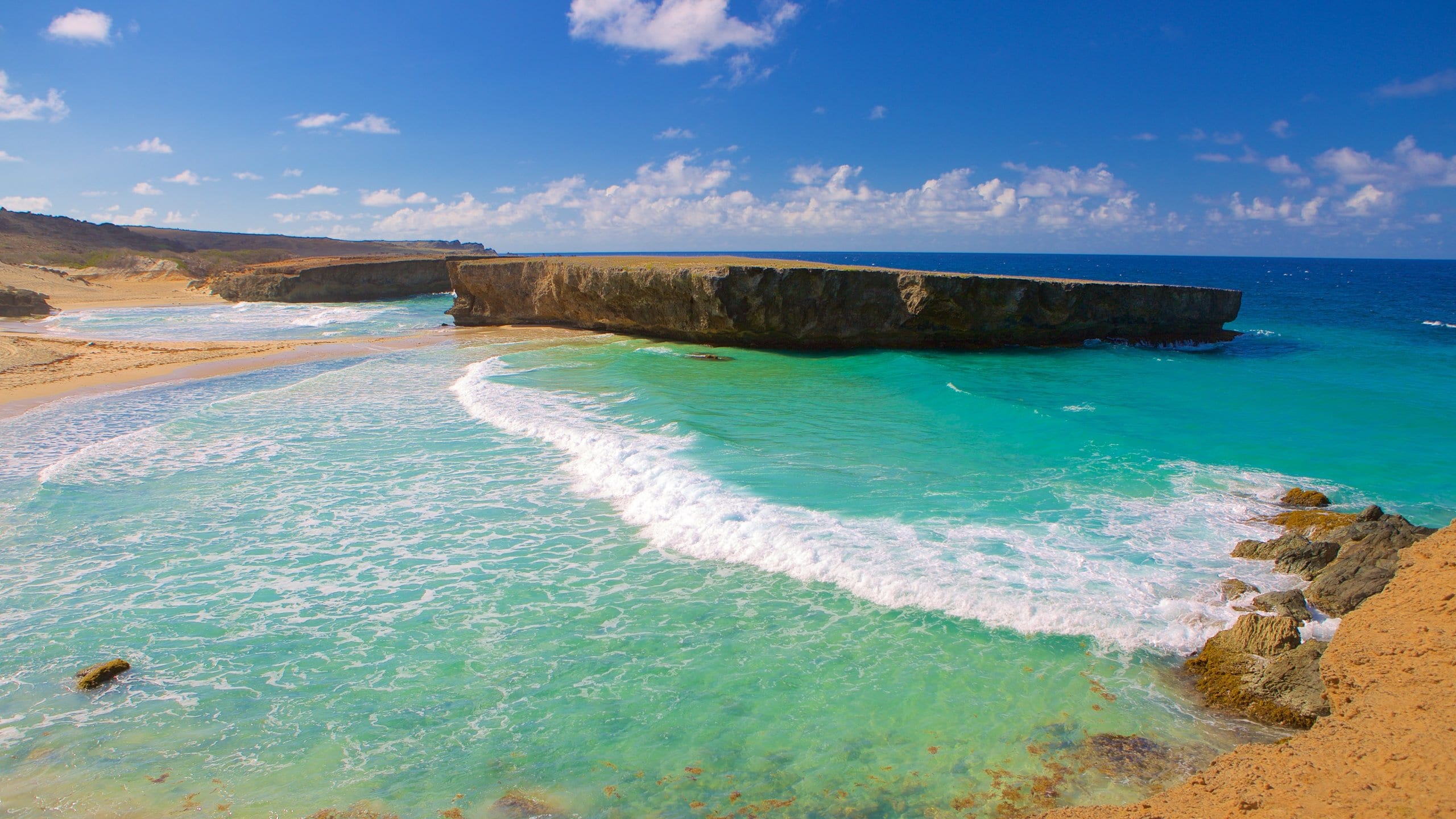
The Conchi is a natural pool in the park, and getting there is half the fun. The road is bad, so you need a 4x4 vehicle or a guided tour to get there. Like, really, really hard. But when you finally get to this natural pool made of volcanic rock, where the waves crash around you while you swim in calm water, it's all worth it.We also went to the Fontein Cave and the Quadirikiri Cave. The drawings in the Fontein cave are very old.
The Arawak people were the first to make them on the island. There are also holes in the ceiling of Quadirikiri that let in light, which makes it look like a church. My daughter said it looked like something out of a book.
Important Beach Tips
- Get there before 9 a.m. to get a parking spot and a good spot under the palapas (shade structures).
- Bring your own snorkeling gear because rental stands can run out when there are a lot of people.
- Bring snacks and drinks in a cooler because the food truck nearby can be expensive and the lines can be long. Water shoes are helpful because the entryway has some rocky spots.
- There are no lifeguards at the lagoon, so watch your kids even though the water is calm.
- The small beach bar doesn't always take cards, so bring cash.
- If you can, try to go on a weekday. Weekends are very busy with both locals and tourists.
- If you want to get to the open ocean, go to the far right side of the lagoon (as you face the water).
- There is a channel there. This is where the real snorkeling happens.
- The marine life is amazing, and most of the time you'll have this area to yourself while everyone else stays in the shallow lagoon.
- Just make sure you can swim well because the current gets stronger once you leave the safe area.
California Lighthouse: Views That Go On Forever
The California Lighthouse sits on Aruba's northwestern tip, and honestly, the views from up there are stunning. On a clear day—which is basically every day—you can see for miles.
The lighthouse itself was recently renovated, and now you can climb to the top. Is it a workout? Yeah, kind of.Is it worth it? Absolutely. The 360-degree views of the coastline, the dunes, and the turquoise water are incredible.
Timing tip: sunset here is magical but crowded. We went mid-morning and had the place almost to ourselves.Plus, the light is still beautiful for photos.
Tips for California:
- Wear shoes that are easy to walk in because the steps inside the lighthouse are narrow and steep.
- Bring water, especially if you want to walk around the dunes after.
- Don't miss the area around the base; there are some great places to take pictures of the lighthouse against the desert-like scenery.
- To get the best shots of the wide views, use a wide-angle lens or the panorama mode on your phone.
- At the top, the wind can be strong, so make sure your hats and other loose items are safe.
Pro Tip: After you see the lighthouse, go a few minutes down the road to Arashi Beach. It's one of the quietest beaches in Aruba and a great place to cool off after a hike.
Natural Bridge Ruins and Baby Natural Bridge
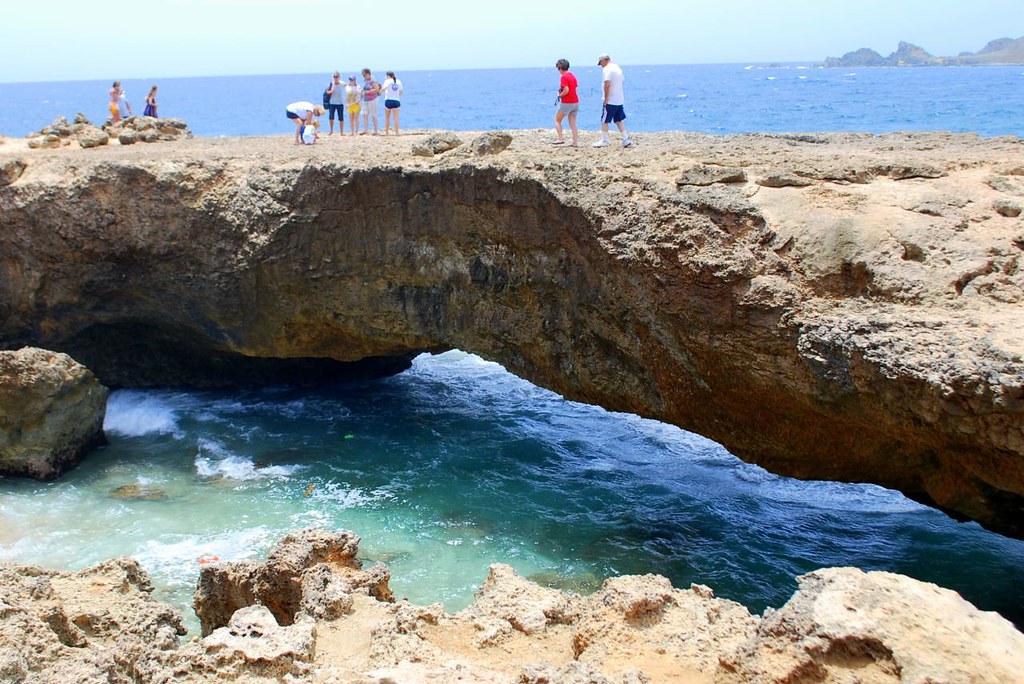
The original Natural Bridge collapsed back in 2005, which was apparently devastating—it was one of the island's most famous landmarks. But the ruins are still there, and honestly? They're pretty impressive even broken.
More importantly, the Baby Natural Bridge is still intact nearby.It's smaller but still really cool—this natural limestone arch carved by centuries of waves. The coastline here is rugged and dramatic, totally different from the calm beaches on the western side.
Watch your step though. The rocks are sharp, and the waves can be aggressive. This isn't a swimming spot—just admire from a safe distance.## Adventures and Activities That'll Get Your Heart Racing.
Some Tips for Natural Bridge Ruins and Baby Natural Bridge
- The limestone rocks are sharp and uneven, so wear shoes or sandals with a good grip.
- Stay away from the edge; rogue waves can come up out of nowhere.
- Come earlier in the day when there are fewer people and better light for pictures.
- Bring sun protection — there’s very little shade along this stretch of coast.
- Take time to walk the coastline between the ruins and Baby Natural Bridge; the views are dramatic and underrated.
Pro Tip:Pair this stop with a visit to the nearby Andicuri Beach. While it’s still too rough for casual swimming, it’s a beautiful, wild beach that perfectly complements the rugged feel of the Natural Bridge area.
Snorkeling at Mangel Halto Beach
If you're into snorkeling—or even if you're not sure you are—Mangel Halto Beach needs to be on your list of things to see in aruba. This little beach is tucked away and doesn't get nearly as much attention as it deserves.
The mangrove trees growing in the water create this unique ecosystem where fish just congregate. We saw so many different species, colorful coral, and even a sea turtle that casually swam right past us. My son still talks about it.The beach itself is small and pebbly, so bring water shoes. But the snorkeling? World-class. And since it's not super famous, you won't be fighting crowds for space in the water.
Extra Tips:
- Bring water shoes because the beach and getting into the water are rocky.
- Snorkel when the water is calm; early in the morning is usually when the water is clearest.
- If you're not a good swimmer, wear a snorkel vest, especially if you're going out farther.
- Don't touch the coral or mangroves because they are delicate and protected.
- Bring some light snacks and water with you because there aren't many places to get them nearby.
Pro Tip: Swim straight out from the mangroves, then drift slowly along the reef instead of fighting the current. You’ll see more marine life with less effort — and save your energy for spotting turtles.
Off-Roading to Hidden Beaches
Renting a 4x4 and exploring Aruba's rugged north coast is genuinely one of the unique things to do in aruba.You can't access these areas with a regular car, and honestly, even with a 4x4 it's a bit wild.
We drove to Andicuri Beach, which is completely undeveloped and has these massive waves that make it popular with surfers. Swimming here is dangerous—like actually dangerous, the currents are strong—but watching the waves crash against the cliffs is mesmerizing.
There's also Dos Playa, which means "two beaches" in Spanish. It's this hidden double cove that's absolutely stunning.Again, not for swimming, but for scenery? Unreal.
Just a heads up: these dirt roads are bumpy, dusty, and remote. Bring water, sunscreen, and maybe download an offline map just in case
Extra Tips:
- Rent a true high-clearance 4x4; compact SUVs won’t handle these roads well.
- Lower your tire pressure slightly for a smoother ride on rough terrain.
- Drive slowly and watch for sharp rocks that can damage tires.
- Check weather and wind conditions — heavy winds can make driving and stopping uncomfortable.
- Start with a full tank of gas; there are no services once you head out.
- Secure all loose items in the vehicle — the bumps are no joke.
Pro Tip: Go early in the morning. The light is incredible for photos, the temperatures are cooler, and you’ll often have beaches like Andicuri and Dos Playa almost entirely to yourself.
UTV Tours: Let Someone Else Do the Driving
If off-roading sounds fun but also terrifying, consider a UTV tour.We did one through the countryside and to some of the natural landmarks, and it was a blast.
The guides know exactly where they're going, you get to see areas you'd never find on your own, and you don't have to worry about getting lost or stuck. Plus, riding in a UTV through the desert while dust flies everywhere feels kind of badass. My kids loved it.
More Advice:
- Put on clothes that you don't mind getting dirty; by the end, you'll be covered.
- Wear sunglasses or goggles to keep dust and wind out of your eyes.
- Even if the sky is cloudy, put on sunscreen because there isn't much shade.
- Use straps to keep your phones and cameras safe so you don't lose them on rough trails.
- Pay close attention to the safety briefing; it will make the ride safer and more fun.
Pro Tip: If you can, pick a tour in the morning. The weather is cooler, the dust is less, and the lighting is better for pictures, especially at places like the Natural Bridge area.
Unique Experiences You Won't Find Elsewhere
Flamingo Beach at Renaissance Island
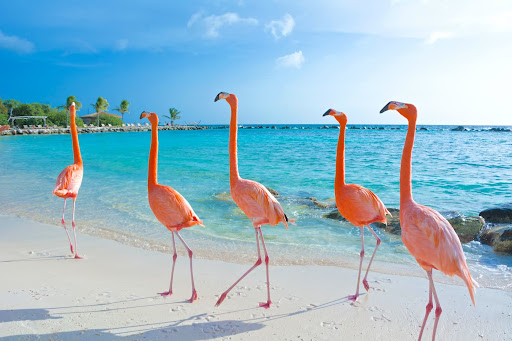
Okay, this one requires some explanation.Renaissance Island is a private island owned by the Renaissance Resort, and it's home to a bunch of pink flamingos that just... hang out on the beach with you.
Here's the deal: if you're staying at the Renaissance, you get free access. If you're not, you can purchase a day pass, but they're limited and sell out quickly. We're talking 7am-website-refreshing kind of quickly.
Was it worth the hassle?Honestly, yes. The flamingos are real and surprisingly chill. You can get pretty close for photos, and the beach itself is beautiful. My daughter still has a picture of herself with a flamingo as her phone background.
Some Tips before visiting Flamingo Beach:
- Book the day pass as soon as you can; they sell out quickly, usually in minutes.
- Get there early to see the flamingos before the island gets busy.
- If you want to buy snacks or drinks on the island, bring small bills.
- Don't chase or block the flamingos; they deserve your respect.
- Instead of getting too close, use a zoom lens or portrait mode to take pictures.
Pro Tip: Get on the first water taxi of the day. You'll have the quietest weather, the best light for pictures, and the best chance to enjoy Flamingo Beach before it gets busy.
Butterfly Farm: Surprisingly Calming
I almost skipped the Butterfly Farm because it seemed touristy, and I'm glad I didn't. This place is actually lovely—a peaceful garden filled with butterflies from around the world.
The guided tour at the entrance is informative without being boring, and then you're free to wander. Butterflies will literally land on you if you stand still long enough.It's one of those cool things to do in aruba that works for all ages.
Best time to visit? Morning, when the butterflies are most active. Also, your ticket is good for your entire stay, so you can return multiple times. We went twice.
Some Tips for before visiting Butterfly Farm
- If you wear bright or light-colored clothes, butterflies are more likely to land on you.
- Take your time and stand still; patience will pay off.
- For great pictures, bring a camera that can take close-up or macro shots.
- Drink plenty of water because the greenhouse can feel hot and humid.
- Enjoy the free tea at the end of the tour; it's a nice touch.
Pro Tip: Go right when they open in the morning. The butterflies are most active, and it's also quieter, which makes the experience feel even more peaceful and real.
Aruba Ostrich Farm: Weirder Than It Sounds
Ostriches. In Aruba. On a farm. Yeah, it's odd. But also kind of awesome?The tour takes you through the farm where you learn about these bizarre birds, feed them (they're aggressive eaters, fair warning), and even get to sit on one for photos. Okay, that last part is weird. But memorable.
They also have emus and other interesting animals. It's one of those activities to do in aruba that's different from the typical beach and snorkel routine, which is refreshing. Water Adventures for the Whole Family
Some Tips before visiting Aruba Ostrich Farm
- When feeding the ostriches, hold on to the food tightly because they peck quickly and hard.
- Keep your sunglasses, hats, and other loose items safe because ostriches are curious and like to grab things.
- When walking around the farm, wear shoes with closed toes.
- Pay close attention to what the guide says, especially when it's time to feed the animals.
- Bring a camera or phone strap because there will be a lot of times when you can take pictures.
Pro Tip: Go earlier in the day when the animals are more active and the heat is easier to handle. The experience is more interesting, and the pictures look better before the sun gets too hot in the afternoon.
Sailing and Snorkel Cruises
We did a catamaran cruise that included snorkeling stops, and it's one of those classic things to do aruba-style that really delivers. Most of these cruises hit multiple snorkel spots—often including the famous Antilla Shipwreck.
The Antilla is a German WWII cargo ship that was scuttled in shallow water, and now it's this massive artificial reef covered in coral and teeming with fish. It's shallow enough that even beginners can snorkel it, which makes it perfect for families.
Many cruises include an open bar and lunch, and let me tell you—after a morning of snorkeling, a cold drink and some fresh food on a catamaran is pretty much perfect.Sunset cruises are also popular, especially for couples. Very romantic, very beautiful, very worth it.
Some Tips before visiting Sailing and Snorkel Cruises
- Choose a morning cruise for calmer seas and better underwater visibility.
- Apply reef-safe sunscreen well before entering the water.
- Bring a dry bag for phones, wallets, and extra clothes.
- Use the provided flotation devices if you want to relax and float while snorkeling.
- Eat a light breakfast beforehand to avoid seasickness.
Pro Tip: If snorkeling the Antilla Shipwreck is your main goal, ask the tour operator how long they spend at that stop. Cruises that allow more time there let you fully explore the wreck instead of feeling rushed.
Scuba Diving: Taking It Deeper
If you're a diver or want to become one, Aruba's dive sites are excellent. Beyond the Antilla shipwreck, there are plane wrecks, coral reefs, and even the remnants of a tugboat.
The visibility here is typically fantastic—often 90+ feet—and the water is warm year-round.I did a dive at a site called Skalahein Reef, and the marine life was abundant. Spotted eagle rays, moray eels, and more fish than I could count.
Several dive shops offer courses if you want to get certified, and the conditions are generally calm enough for beginners. Though if you're nervous, stick with snorkeling—it's still amazing here.
Some Tips before visiting Scuba Diving:
- Book your dives early in your trip so you can change them if the weather changes.
- Dive shops will want to see your certification card (or a digital copy), so bring it with you.
- If you haven't done it in a while, even experienced divers should think about taking a refresher course.
- Drink a lot of water and don't drink too much the night before you go diving.
- Beginners should start with a shallow reef dive before trying wrecks.
Pro Tip: Talk to dive shops about diving from the shore. It's easy to get to Aruba's great dive sites from the shore. These places are quieter, less crowded, and often just as fun as diving from a boat. They are great for taking pictures and spending more time on the bottom.
Kayaking Through Mangroves
The mangrove kayaking at Spanish Lagoon is calm and surprisingly fun. The mangrove ecosystem is one of a kind, and it's nice to take a break from high-energy water sports and paddle through these calm waters while learning about the environment.
We saw a lot of small fish, herons, and crabs. It's a good choice if you want to do something active but not too tiring. It's also a good thing to do in the morning before the sun gets too hot.
Some Tips before visiting Kayaking
- Put on shoes or sandals that won't get wet so you can easily get in and out.
- Once you leave the mangroves, there won't be much shade, so wear a hat and sunglasses.
- Before you get there, put on reef-safe sunscreen to protect the environment.
- To see more animals, move slowly and quietly.
- If you want to know more about the mangrove ecosystem, go on a guided tour.
Pro Tips: Go early in the morning when the animals are out and the water is calm. The calm weather makes it easier to paddle and makes the area feel more peaceful.
Cultural Spots and Local Flavor
Oranjestad: More Than Just the Capital
Oranjestad is Aruba's capital, and it's actually worth spending time in. The Dutch colonial architecture is colorful and charming—lots of pastels and gingerbread trim that's very photogenic.The main street, Caya G.F. Betico Croes, has shops, restaurants, and a nice walkable vibe. We stopped for lunch at a local spot and had some fresh seafood that was ridiculously good.
There's also the Archaeological Museum if you're interested in the island's pre-Columbian history. It's small but informative, and admission is free.We spent about 45 minutes there, which was perfect.
Some Tips before visiting Oranjestad
- Park once and walk. The downtown area is small and easy to explore on foot.
- Go in the morning or late afternoon to stay out of the heat of the day.
- Go down side streets to find quieter cafés and shops that aren't as touristy.
- Bring cash to buy things from small shops and snack bars.
- Check the schedules for cruise ships; Oranjestad gets a lot busier when ships are in port.
Pro Tip: Use the free or cheap tram that goes through downtown. It's a great way to see the city, take a break, and get on and off near important places like shops, museums, and waterfront views.
San Nicolas: Aruba's Art District
San Nicolas, on the southeastern side of the island, has transformed into this vibrant art district with colorful murals everywhere. Seriously, nearly every building has some kind of street art.
The annual Aruba Art Fair brings international artists who leave these massive murals, and walking around hunting for them is a fun activity. My kids loved spotting and photographing different pieces.There's also Baby Beach nearby (mentioned earlier), so you can easily combine both in one trip.
Some Tips before visiting San Nicolas
- Wear shoes that are comfortable because you'll want to walk around and look around.
- During the day is the best time to see the colors and explore safely.
- The murals are all over the place, so take a lot of pictures or videos with your phone or camera.
- Stop by a bakery or snack bar in the area to get a sense of it.
- Please respect the area; some of the buildings and homes still have murals on them.
Pro Tip: After your visit, go to Baby Beach in the late afternoon. The light is good for taking pictures of murals in the morning. The best way to end the day in southern Aruba is to swim or watch the sunset at Baby Beach.
Local Food: Beyond Resort Dining
While the family resorts in aruba have great food, getting out and trying local spots is part of the experience.Aruban cuisine is this interesting mix of Dutch, Caribbean, and Latin American influences.
Try keshi yena (stuffed cheese), funchi (like polenta), and fresh fish prepared local-style. We found a food truck near the beach that served some of the best fish tacos I've ever had. No fancy atmosphere, just delicious food.
The street food and local markets are where you'll find the real flavor of the island.Don't be afraid to venture away from the tourist areas.
Some Tips before visiting Local Food
- Taxi drivers and shop owners are the best people to ask where to eat.
- Bring cash for food trucks and small local places.
- Don't judge a place by how it looks; some of the best food comes from simple places.
- Daily specials are often the freshest and most real choices, so give them a try.
- Eat less and share dishes so you can try more flavors.
Pro Tip: Around lunchtime, look for places that are busy with locals. That's usually a sign that the food is fresh, cheap, and real Aruban, and you won't have to pay tourist prices.
Aruba Travel Tips From Someone Who Made the Mistakes
Rent a Car
Unless you're planning to stay at your resort the entire time, rent a car. The aruba places to visit are spread out, and taxis add up fast. We got a small SUV for the week, and it was one of the best decisions we made.
The roads are good, driving is easy (right-hand side, like the US), and gas is relatively affordable.Plus, the freedom to explore on your own schedule is invaluable.
Bring Reef-Safe Sunscreen
Aruba takes environmental protection seriously, and many of the must see in aruba spots have delicate ecosystems. Regular sunscreen can damage coral reefs, so bring reef-safe options.
Also, bring a lot of it. The sun here is strong—like really strong.I learned this the hard way on day one. Reapply constantly, even when it's cloudy.
The Wind is Real
Those trade winds that keep the island cool? They're also constant and stronger than you'd think. Bring a hat with a chin strap or be prepared to chase it down the beach.Same with towels—they'll blow away if you don't weigh them down.
The wind also means the leeward side (west coast) is much calmer for swimming, while the windward side (east coast) has rougher waters and stronger currents.
Learn a Few Words of Papiamento
The local language is Papiamento, though nearly everyone speaks English. Still, learning bon dia (good morning), danki (thank you), and pabien (congratulations or well done) goes a long way.
Locals genuinely appreciate when you make the effort, even if you butcher the pronunciation.We definitely did.
Making It Work for Couples and Families
The beauty of aruba what to do options is that they work for different travel styles. Looking for things to do in aruba for couples? The sunset cruises, private beach dinners, and spa days at the resorts are genuinely romantic.
But an aruba family vacation works just as well.The beaches are safe, there are tons of kid-friendly activities, and the island is small enough that you're never too far from your home base.
We traveled with kids ranging from toddler to teenager, and everyone found stuff they loved. The little ones were happy at Baby Beach, the middle kid loved snorkeling, and even the teen admitted (begrudgingly) that the UTV tour was "actually pretty cool."
Many of the family resorts in aruba offer kids' clubs, babysitting services, and family suites that make traveling with children much easier. We stayed at a place that had a kids' program, and it gave us a few hours to enjoy adult time while the kids did supervised activities.
What Actually Surprised Me About Aruba
I expected beautiful beaches. I got those. But I didn't expect the rugged desert landscapes, the depth of marine life, or how genuinely friendly everyone would be. I also didn't expect to feel so safe—crime is low, people are welcoming, and the island has this relaxed vibe that makes you want to slow down.
The diversity of things to do aruba-style surprised me too.You can literally go from snorkeling with sea turtles to off-roading through cacti to eating fresh seafood in a colorful town, all in one day.
And maybe most surprisingly? I didn't want to leave. We were supposed to stay a week, and by day five I was already looking at extending our trip. We didn't (flights were already booked), but I'm absolutely going back.
Final Thoughts on Exploring One Happy Island
So there you have it—18 things to do in Aruba that range from classic beach days to adventures you wouldn’t expect on a Caribbean island. Whether you’re coming for relaxation, family fun, romance, or adventure, this island delivers. My biggest piece of advice? Don’t just stick to the resort. Yes, the family resorts in Aruba are beautiful, but you’ll miss so much if you don’t explore—rent a car, drive to the rugged north coast, hunt down a local food spot, or snorkel somewhere off the beaten path.Check Trivago for the best hotel deals and find the perfect base for your Aruba adventures.
There’s a reason Aruba is called “One Happy Island.” The people are friendly, the scenery is breathtaking and varied, and the relaxed vibe is contagious. Even if you’ve “done it all,” there’s always something new to discover on this little paradise. By the time you leave, you’ll understand why so many visitors keep coming back—and who knows, I might see you there on my next trip!
Experience the world with Travelnags. Your trusted travel companion - guides, budget advice, destination tips and good deals to help you travel smarter, cheaper and better, together!
Read Our More Blogs
10 Unique Places To Visit In Michigan
Your Digital Security Suite: A Look At NordVPN's Products
15 Best Places To Visit In Italy With Loveholidays Tourplan