
 Oct 06,2026
 By:
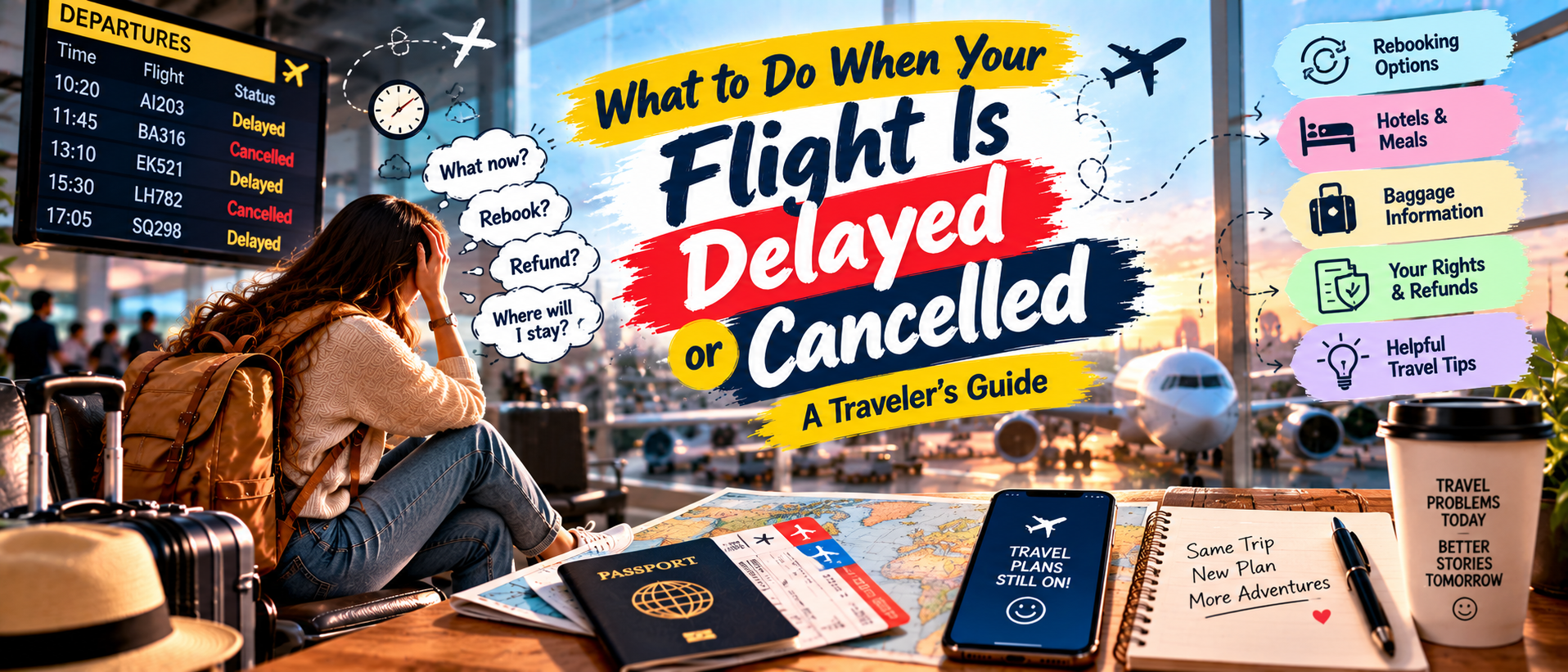
By: The good news is that a disrupted flight doesn't always mean a ruined trip. The key is to stay calm, check the latest information, and get clear on your options. Whether it's a short delay, a missed connection, or a full cancellation, knowing what to do can save you time, money, and a lot of stress.
Here's a practical guide to what to do if your flight is delayed or cancelled.
First, Find Out Why Your Flight Is Delayed or Cancelled
Before you decide anything, figure out what's actually going on. Check the airline's app, website, email, text messages, the airport departure screens, and any announcements. Delay estimates often change more than once, so don't trust an old notification.Common causes include bad weather, aircraft problems, airport congestion, crew availability, security issues, and other operational trouble. Knowing the reason helps you decide whether to wait for the next update or start looking at alternative flights.
What to Do When Your Flight is Delayed
A short delay may just call for a bit of patience. But if the wait keeps stretching, it's time to take some practical steps.Start by checking whether the airline has already moved you to another flight. If it hasn't, browse the alternatives in the airline's app or website.
If you're at the airport, talk to an airline representative if you need to. But the service desk isn't your only option. The app, website, phone support, or social media support channel can sometimes get you answers faster. And keep an eye on your departure time and gate, because both can change.
What to Do If Your Flight Is Cancelled
A cancellation takes a little more planning. When the airline cancels your flight, find out what it's offering. Depending on the airline, route, ticket conditions, and applicable rules, you might be able to choose from:- Rebooking on another available flight
- Changing your travel date
- A refund, where applicable
- An alternative routing
Don't Leave the Airport Without a Plan
After a cancellation, it's tempting to just head home or book a hotel. Before you go, make sure you know your next step.Ask whether you've already been rebooked, whether your checked baggage is being sent back, and whether you need to collect it yourself. If the airline has given you a new flight, confirm the departure time and terminal before you leave. This matters even more if you have a connecting flight or another important booking later that day.
What Happens to Your Checked Baggage?
One of the biggest questions in a disruption is, "Where's my luggage?"The answer depends on your itinerary, airline, airport, and the type of disruption. If your flight is delayed, your checked bag may stay with the airline. If it's cancelled, you might be asked to collect it, or it may be moved to another flight.
Don't assume your bag will automatically follow you. Ask an airline representative what to do and hold on to your baggage claim tag until everything is sorted.
What If You Miss Your Connecting Flight?
A delay gets trickier when another flight is waiting for you at the next airport. If both flights are on the same booking, contact the airline as soon as you realize you'll miss the connection. Depending on the circumstances and the rules that apply, it may be able to rebook you.If you booked the flights separately, things could look different. The second airline may not be responsible for the missed connection. That's why it's worth leaving plenty of time between separate bookings whenever you can.
Should You Book Another Flight Yourself?
Not always. When you're stressed and spot another flight, paying for it yourself can feel like the quickest fix. But first, check whether your original airline can rebook you. Compare the cost and timing of your options and understand the relevant airline policies before spending more money.Keep receipts for any reasonable expenses caused by the disruption. Whether the airline reimburses a particular expense depends on the circumstances, its policy, any passenger-rights rules that apply, and the reason for the disruption.
What About Hotels, Meals, and Other Expenses?
A long delay or cancellation can sometimes mean an unplanned overnight stay.Depending on the cause of the disruption, your airline, your ticket, where you are, and the passenger-rights regulations that apply, you may be entitled to some help or reimbursement. But don't assume every hotel, meal, taxi, or other cost will be covered automatically.
Before paying for anything big, ask the airline what assistance is available, and keep your receipts and supporting documents. Your travel insurance may also cover certain delays or cancellations, depending on your policy.
Keep Important Information Ready
During a disruption, you'll probably need your booking reference, passport or ID, boarding pass, baggage details, and flight information.Take screenshots of important notifications and save any new booking confirmation you receive. If the airline gives you a case name or reference number for your customer-service request, write it down too. Having it already means you won't be digging through emails while standing in a crowded terminal.
Don't Forget Your Other Travel Plans
A cancelled flight can affect a lot more than the flight itself.If you're going to miss a hotel check-in, airport transfer, tour, cruise, train, event, or rental-car pickup, contact the provider as soon as you can. For prepaid bookings, check their cancellation or change policy. Some companies are flexible if you can show proof of the disruption, while others are strict. The sooner you get in touch, the more options you'll probably have.
Use Your Waiting Time Wisely
If your flight is delayed rather than cancelled, try to make the wait as comfortable as possible.Find a good seat, charge your phone, grab something to eat, and keep your belongings together. If the delay runs several hours, you might be able to use an airport lounge, get some work done, read, or just rest. Just don't get so cozy that you stop watching the departure screens. Gate changes can happen fast, especially during busy travel periods.
Common Mistakes to Avoid During a Flight Delay
When you're frustrated, it's easy to make rushed choices. Try to avoid these:- Leaving without checking your rebooking status: You could miss an updated flight or important instructions from the airline.
- Ignoring your connecting flights: A delay on the first flight can cause a much bigger problem later.
- Throwing away baggage receipts: You may need them to track or collect your luggage.
- Booking an expensive replacement flight right away: See what your airline can offer first.
- Forgetting travel insurance: Depending on the situation, your policy may offer useful protection.
- Relying only on airport announcements: Check the airline's app and messages too.
How to Handle a Flight Cancellation Without Panicking
The best approach is simple: pause, check, confirm, then act.First, confirm why your flight was delayed or cancelled. Next, see what options the airline is offering. Confirm your new flight, your baggage arrangements, and any changes to your other plans. Then decide whether you need accommodation, transport, or extra help.
You don't have to solve everything at once. Deal with the most pressing problem first, then work through the rest of your itinerary.
Final Thoughts
A delayed or cancelled flight can throw off even the best-planned trip, but staying organized makes it far easier to handle. Check the latest information, talk to your airline, understand your rebooking options, keep your documents safe, and track your expenses.Most of all, don't make costly decisions in a hurry. Take a moment to understand your options before you book new flights, hotels, or transport. Travel doesn't always go to plan. Knowing what to do when it doesn't will make you a much more confident traveler.
