 Feb 18,2026
 By:
By: Introduction
Japan has this strange way of surprising you. One minute you're standing beneath a neon skyline, the next you're listening to wind move through centuries-old cedar trees. The Famous Landmarks in Japan aren't just postcard attractions—they're layered with history, ritual, texture, and tiny human details that make them unforgettable. I remember stepping out of a train station and thinking, "Is this location real?" It felt almost staged. But it wasn't. From sacred shrines to buzzing city districts, these places capture Japan's contrasts beautifully, and honestly, they leave you a little breathless. Trivago helps travelers find the perfect hotel at the best possible price by comparing deals from hundreds of booking sites in one simple search, making it easier to choose smart, save money, and book with confidence.Why Famous Landmarks in Japan Feel Different
There's something deeply intentional about the way Japan preserves its landmarks. Temples sit quietly beside vending machines. Castles rise above towns that still feel lived-in. And modern icons glow over ancient streets. Japan's Famous Landmarks are alive, not frozen in time. You can hear schoolchildren laughing at temple gates, inhale the scent of incense drifting across courtyards, and perhaps find yourself lost in a subway tunnel beneath a historic district. It's layered. It's messy. And that blend of old and new is exactly what makes these destinations so magnetic for travelers from around the world - many of whom come specifically seeking out the best places in Japan to visit, only to leave with a list twice as long as when they arrived.1. Mount Fuji (Shizuoka/Yamanashi)
There's something almost unreal about Mount Fuji. Despite appearing on coins, paintings, and train posters, the first glimpse of Mount Fuji through the clouds still surprises you. Standing between Shizuoka and Yamanashi, this perfectly shaped volcano has become a symbol of Japan itself. On a clear morning, the air feels crisp, and the mountain's snow-dusted peak glows faintly pink. Climbers begin their ascent in the summer slowly and steadily, whispering encouragement to strangers. Even if you don't climb it, just watching Fuji reflect in Lake Kawaguchi is enough. Quiet. Still. Almost sacred.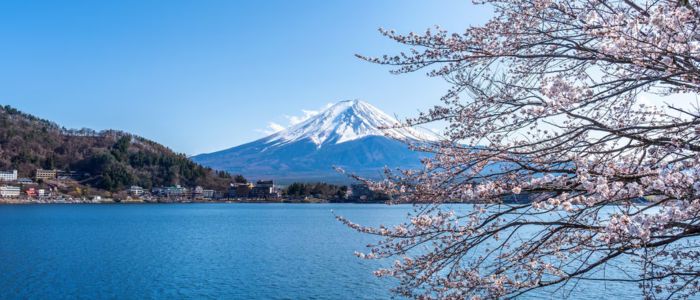
2. Fushimi Inari Shrine (Kyoto)
When you walk through Fushimi Inari Shrine, it feels like you're in a different world. In the forested hills of Kyoto, thousands of bright vermilion torii gates stretch out, making tunnels of color that seem to go on forever. I can still hear the sound of gravel crunching under my shoes, birds singing in the distance, and visitors softly talking. This shrine is dedicated to Inari, the Shinto god of rice and wealth. It combines spirituality with movement. You don't just stand here; you walk through it. Fox statues stand quietly on the sides. And at some point along the trail, you stop, take a breath, and realize how small you are.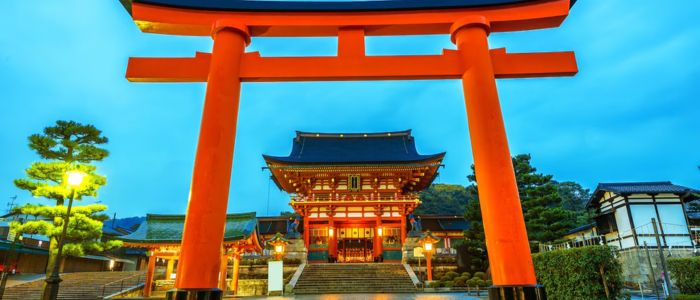
3. Kinkaku-ji (Golden Pavilion) (Kyoto)
Kinkaku-ji, often called the Golden Pavilion, almost looks unreal when sunlight hits its gold-leaf exterior. Set beside a reflective pond in Kyoto, the temple appears to float, especially on windless afternoons when the water mirrors every detail. Originally built as a retirement villa, it later became a Zen Buddhist temple. The surrounding gardens are meticulously arranged, yet somehow they don't feel rigid. Pine trees lean gently. Stones rest where they've rested for centuries. It's peaceful—but not silent. There's always a camera shutter clicking somewhere, someone whispering, "Wow," under their breath.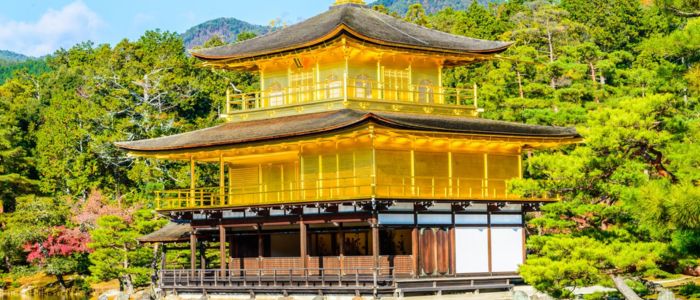
4. Himeji Castle (Hyogo)
Himeji Castle stands tall and proud, like a white heron ready to take off. People call it the "White Heron Castle," and it is one of the best-preserved feudal buildings in Japan. This castle has survived wars and earthquakes, which is not the case for many rebuilt castles. As you walk through its wooden hallways, you can hear the floors creaking softly under your feet. Stairs that are narrow twist in strange ways. As you go deeper, it becomes clear that the design is meant to protect. In the spring, cherry blossoms surround the castle, and the petals fall like confetti. Yes, it's grand, but it's also strangely personal. You can almost see samurai making plans inside its walls.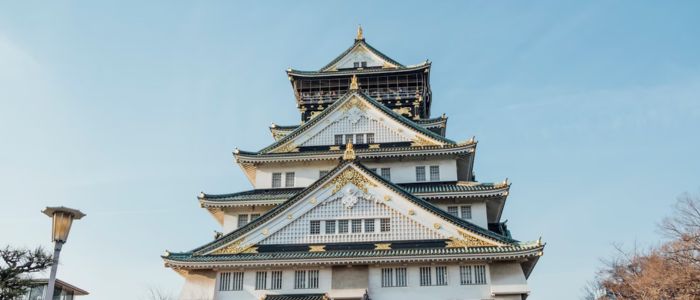
5. Shibuya Crossing (Tokyo)
Shibuya Crossing isn't old or holy, but it is famous. When the traffic lights turn red, hundreds or even thousands of people rush in from all sides. It seems like a mess, but everything is in sync. There are neon signs flashing ads above. There is music coming from nearby stores. I once stood on the second floor of a café just to see what was going on below. It looked like a choreographed dance, honestly. This intersection is a great example of modern Japan. If the Famous Landmarks in Japan show the past, Shibuya shows the present. Somehow, both parts fit into the same story.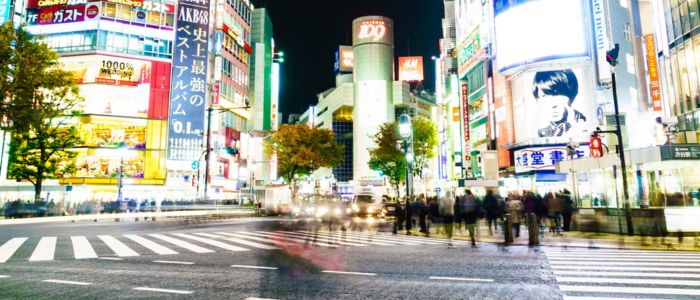
6. Todai-ji Temple (Nara)
One of the biggest bronze Buddha statues in the world is in Todai-ji Temple in Nara. The wooden beams that make up the Daibutsuden hall make it feel huge. When you walk in, the air gets cooler and the voices get quieter. There are friendly deer outside Nara Park that walk around freely and bow slightly when you give them crackers. It may sound strange, but it's true. The temple is a symbol of national unity that was built during the Nara period. It shows how deeply rooted Buddhism is in Japan. And you feel small when you stand under that huge statue. Not unimportant—just humbled.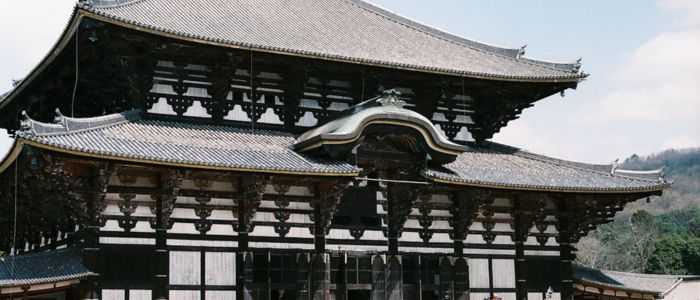
7. Itsukushima Shrine (Miyajima Island)
The floating torii gate of Itsukushima Shrine is one of Japan's most photographed views. At high tide, the gate appears to hover over the sea, framed by distant mountains. At low tide, you can walk right up to its massive pillars. It's strange how the same structure feels different depending on the water level. Located on Miyajima Island near Hiroshima, this shrine has stood for centuries, resilient and graceful. The scent of salt lingers in the air. Ferries come and go quietly. And sunset here? Honestly, it feels like a painting unfolding in real time.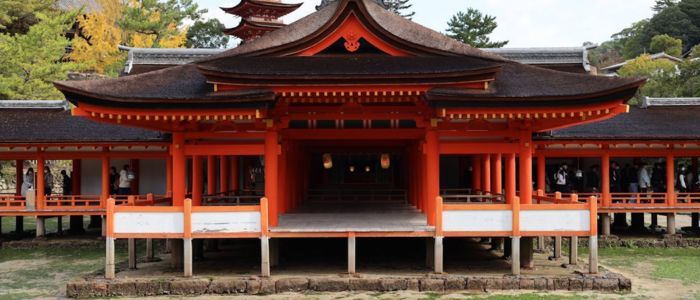
8. Hiroshima Peace Memorial Park & Hiroshima Peace Memorial Dome
Hiroshima Peace Memorial Park has a heavy feeling. The park is full of monuments, trees, and reflection pools. It was built to honor the people who died in the atomic bombing in 1945. The preserved Peace Memorial Dome is nearby. It looks weak but is strong. You shouldn't hurry through here. Talks get softer. People who come to the event fold paper cranes and leave them in colorful bundles. It's not just a landmark; it's a memory. A call for peace. And even though its past is sad, the park gives me hope. Kids are playing close by. Life goes on. That difference stays with you long after you leave.9. Arashiyama Bamboo Grove (Kyoto)
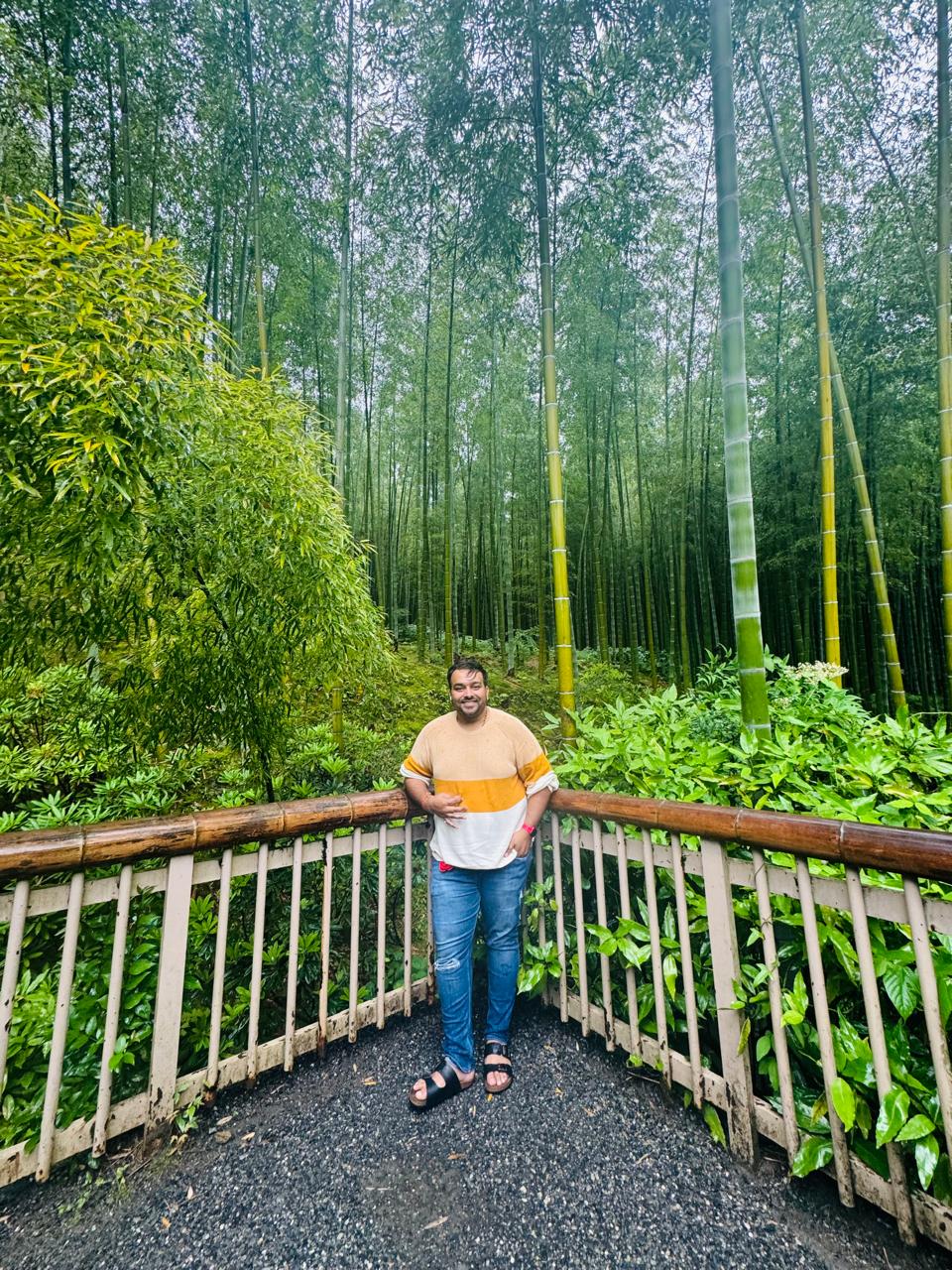
Arashiyama Bamboo Grove looks like something out of a movie. Bamboo stalks sway above, letting sunlight through in thin, moving beams. The sound that surprises you the most is the hollow rustle of the wind through the grove. It's soft, but it doesn't stop. The path isn't very long, but it feels like you're in a green hallway. Before tour groups get there, early in the morning is best. Walking slowly here, touching the smooth bamboo surface, and looking up until your neck hurts a little is very calming. It's easy. Only bamboo. And still, unforgettable.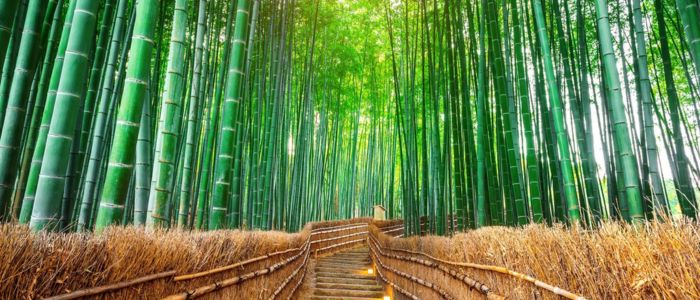
10. Senso-ji (Tokyo)
The Senso-ji Temple in Asakusa is the oldest temple in Tokyo and is always full of people. The Kaminarimon Gate is a big red gate with a famous lantern that greets people. Nakamise Street has traditional snacks and gifts like sweet rice crackers, small charms, and paper fans. People in the courtyard gently wave the smoke from a big incense burner toward themselves to bring them good luck. There is a lot of history, color, and life there. Senso-ji still makes you feel safe, even when there are a lot of people there. Maybe it's the sound of prayers bouncing off the wooden beams.11. Tokyo Skytree (Tokyo)
At 634 meters, Tokyo Skytree is one of the tallest buildings in the world and stands out on the skyline. From its observation decks, the city goes on and on. The roads twist and turn like threads, and the buildings are very close together. You can even see Mount Fuji in the distance on clear days. In just a few seconds, elevators go up, and the sound of them going up makes your ears pop. It's the best of modern engineering. But when you look down at the small neighborhoods below, you can see details like laundry lines, rooftop gardens, and narrow alleys. From up there, Tokyo seems to go on forever.12. Nijo Castle (Kyoto)
The stories of shoguns and political power are told at Nijo Castle. It was built in the early 1600s and has "nightingale floors" that chirp when someone walks on them, which keeps people from getting inside. And yes, they really do chirp; it's not very loud, but you can tell. The sliding doors inside are painted with tigers, pine trees, and scenes from different times of the year. There are carefully planned gardens outside that go around ponds and stone paths. There is a balance between beauty and safety here. It feels like a plan, but also like art. As you walk around, you can almost feel the negotiations that once shaped Japan's future happening inside those walls.13. Dotonbori (Osaka)
Dotonbori in Osaka is loud, colorful, and a lot of fun. Above the canal, huge neon signs light up the night sky. One of them is the famous Glico running man. There are street food vendors on the sidewalks who cook takoyaki and okonomiyaki right in front of you. The smell—sweet, savory, and sizzling—draws you in right away. It's not elegant or quiet. It's full of life. People laugh, take pictures, and yell to friends across the street. Some famous landmarks in Japan show peace, but Dotonbori shows hunger—for food, for life, and for excitement. And to be honest, that balance feels good.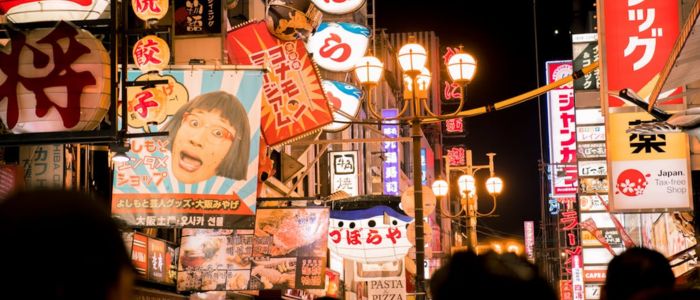
14. Toshogu Shrine (Nikko)
The Toshogu Shrine in Nikko is so ornate that it almost seems like too much. It stands out from Japan's usual simple shrine architecture because it is covered in gold leaf and has detailed carvings. The famous monkey carving that says "See No Evil, Speak No Evil, Hear No Evil" is in this shrine. The tall, serious cedar trees that surround the shrine make its decorative details stand out. It's both fancy and holy. As you walk through the complex, you feel both respect and admiration for the work that went into it. It looks like every beam and carving was done on purpose, like a story carved into wood.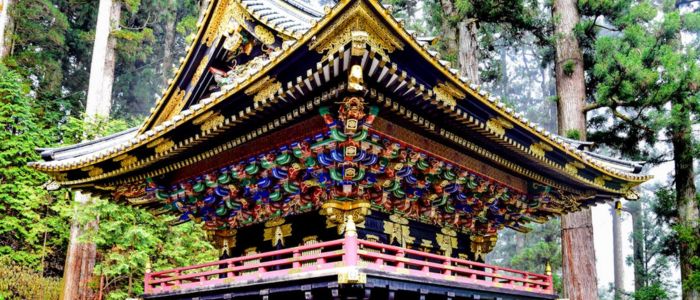
15. Ashikaga Flower Park (Tochigi)
During the wisteria season, Ashikaga Flower Park feels like a dream. Purple flowers hang from trellises in a cascading pattern, making flower tunnels that glow softly in the evening light. The smell is sweet and light, and it stays for a long time. Tulips in the spring, roses in the early summer, and lit-up gardens in the winter are examples of seasonal displays that change throughout the year. It doesn't try too hard to be romantic. Families walk slowly. Couples stop to take pictures under flowers that are hanging down. It's not as hard as castles or shrines, but it's just as memorable. Sometimes beauty doesn't need a story; it just needs the right colors and timing.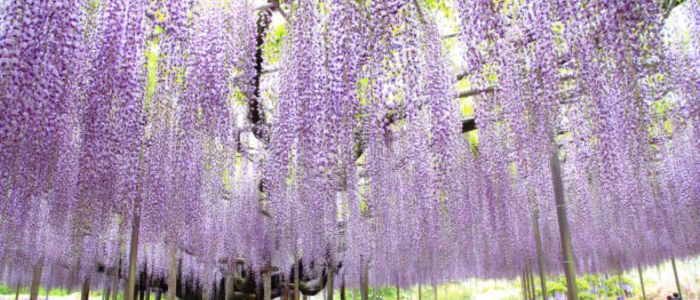
What Makes These Famous Landmarks in Japan Special?
• A seamless blend of ancient tradition and futuristic design
• Deep cultural and spiritual significance
• Seasonal beauty—from cherry blossoms to autumn leaves
• Attention to architectural detail and preservation
• Emotional experiences tied to history and resilience
Final Thoughts on Famous Landmarks in Japan
The Famous Landmarks in Japan aren't just places to visit; they're experiences full of memories, feelings, and differences. One moment you're looking at the perfect outline of Mount Fuji, and the next you're crossing Shibuya in a crowd of people. You will hear the bells of the temple, smell the food on the street, and feel the cool stone under your hands. It's too much in a good way. And maybe that's why these places stay in your mind long after the trip is over. They are more than just sights. They're moments that are messy, beautiful, and unforgettable. Trivago helps travelers find the perfect hotel at the best possible price by comparing deals from hundreds of booking sites in one simple search, making it easier to choose smart, save money, and book with confidence.Experience the world with Travelnags. Your trusted travel companion - guides, budget advice, destination tips and good deals to help you travel smarter, cheaper and better, together!
Read Our More Blogs
Japan Entry Requirements
Discovering The Majesty Of The Blue Mosque: Entrance Fee, Location, Tickets & Opening Hours
Hidden Gems In Japan For Tourists Who Want Authentic, Crowd-Free Travel
Best Japan Vacation Packages