 Feb 06,2026
 By:
By: Introduction
Japan never feels like just one country. It feels layered. There are old wood temples situated beside neon screens, vending machines humming at midnight, and the smell of grilled yakitori drifting through quiet lanes. When people search for the Best Cities to Visit in Japan, they usually expect a list. But honestly, it's more like a mood board—moments stitched together. One second you're lost in Tokyo's rush, the next you're standing still in Kyoto's silence. I kept thinking, "How can all this fit in one place?" Somehow, it does. And it stays with you long after you leave. From beaches to city breaks, loveholidays brings you closer to everywhere.Tokyo (Capital Metropolis)
Tokyo hits you fast. Like stepping into a moving current and deciding not to fight it. Trains glide in on time, lights blink, crossing signals chirp, and you're just… carried along. I remember standing at Shibuya Crossing at 8:47 p.m., coffee cooling in my hand, watching thousands of strangers flow past like choreography. Yet five minutes later there's a quiet shrine tucked behind skyscrapers. That contrast is wild. The Tokyo (Capital Metropolis) vibe is pure energy, sure, but it's also ramen counters, late-night bookstores, and tiny bars where the owner remembers your face - and that's precisely why Tokyo consistently tops every list of the best places in Japan to visit, not just for first-timers, but for those who keep coming back.- Shibuya Crossing
- Asakusa & Senso-ji Temple
- Akihabara for tech and anime
- Tsukiji outer market snacks
- Day trip to Nikko or Kamakura
Kyoto (Cultural Heart)
Kyoto feels slower, softer. Like the city is breathing differently. Wooden machiya houses, stone paths damp from morning rain, and temple bells that echo longer than you expect. Walking through Fushimi Inari's red torii gates early morning—almost empty, just crows and my footsteps—felt strangely personal. The Kyoto (Cultural Heart) isn't flashy; it's patient. Tea ceremonies, geisha glimpses in Gion, moss gardens that look unreal. You don't rush here. You drift. And somewhere between matcha and incense, time sort of loosens its grip. It's quiet but never boring. Just deeply alive.Fushimi Inari Shrine
- Kinkaku-ji (Golden Pavilion)
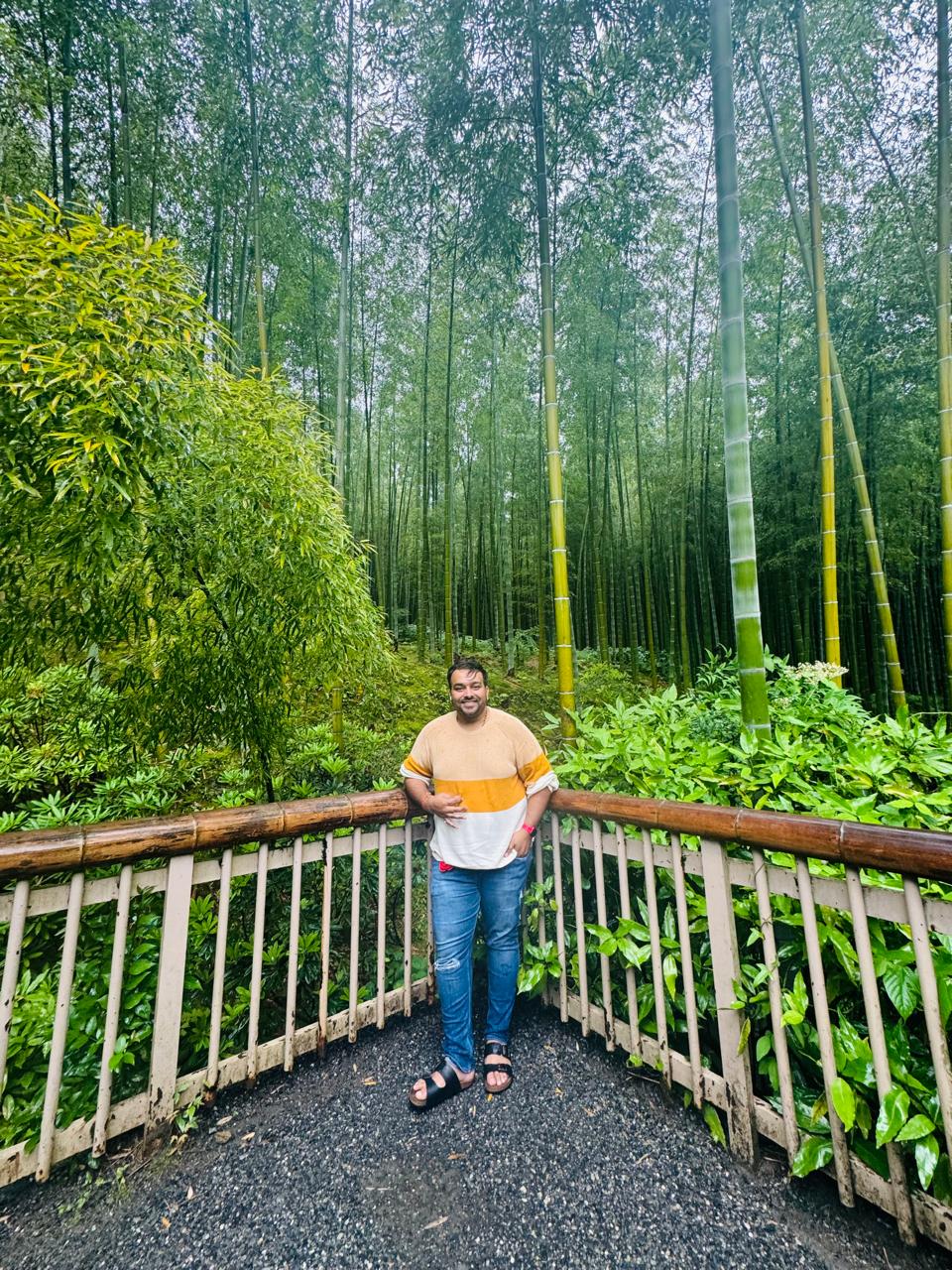
- Arashiyama Bamboo Grove
- Gion district walks
- Traditional kaiseki dining
Osaka ("Kitchen of Japan")
Osaka is loud in the best way. Friendly, messy, hungry. If Kyoto whispers, Osaka laughs out loud. The nickname Osaka ("Kitchen of Japan") makes sense the second you smell takoyaki sizzling on street stalls. Dotonbori's neon signs reflect in the canal, and suddenly you're juggling skewers, okonomiyaki, and some mystery snack a vendor insisted you try. People talk to you. Strangers joke. It's casual and real. Food isn't fancy here—it's fun. Honestly, I ate too much. Zero regrets. This city teaches you one rule: come hungry, leave happy.- Dotonbori street food crawl
- Kuromon Ichiba Market
- Osaka Castle
- Shinsekai retro streets
- Universal Studios Japan
Hiroshima (Symbol of Peace)
Hiroshima is heavier. Not sad exactly, but reflective. The Hiroshima (Symbol of Peace) story sits quietly in the background everywhere you walk. The Peace Memorial Park, the Atomic Bomb Dome, the museum—none of it rushed. I found myself reading every plaque slowly, like it mattered to get it right. And then life continues outside: kids cycling, cafés open, ferries moving. That contrast is powerful. It reminds you how resilient cities can be. Also, random detail, the local okonomiyaki here tastes different—layered, cabbage-heavy, and oddly comforting after such an emotional day.- Peace Memorial Park & Museum
- Atomic Bomb Dome
- Miyajima Island & Itsukushima Shrine
- Hiroshima-style okonomiyaki
- Sunset ferry rides
Nara (Ancient Capital)
Nara surprised me. I thought it'd be a quick stop. It wasn't. The deer wander freely, bowing (sometimes aggressively, honestly) for crackers, and everyone laughs like it's normal. The Nara (Ancient Capital) carries an ancient calm, especially around Todai-ji Temple, where the giant Buddha sits inside that massive wooden hall. You feel tiny in the best possible way. The air smells like trees and old timber. I ended up sitting on a bench longer than planned, just watching light shift through the park. Some places don't need excitement. They just feel right.- Nara Park deer encounters
- Todai-ji Great Buddha
- Kasuga Taisha lanterns
- Isuien Garden
- Slow, quiet walks
Kanazawa (Traditional Edo-era)
Kanazawa is less famous, which makes it sweeter. Fewer crowds, more breathing room. The Kanazawa (Traditional Edo-era) charm shows in preserved samurai districts and narrow lanes that feel frozen in time. Kenrokuen Garden—especially after rain—looked like a painting. Perfect but not staged. I wandered into a tiny gold-leaf workshop and watched an old craftsman work silently for half an hour. No rush. Just precision. It felt intimate, like discovering a secret. If you want historic Japan without tourist overload, this place is kind of magic. Quiet magic.- Kenrokuen Garden
- Higashi Chaya geisha district
- Samurai houses
- Kanazawa Castle
- Gold-leaf crafts
Mount Fuji & Hakone
Seeing Mount Fuji & Hakone for the first time is weirdly emotional. I didn't expect that. It just rises there, snow-tipped, perfectly triangular, almost unreal like a screensaver. Hakone adds hot springs, ropeways, and pirate boats on Lake Ashi—it sounds silly, but it works. Steam rises from volcanic vents, sulfur is in the air, and toes are warming in an onsen. I kept checking if Fuji was still visible, like it might disappear. Nature takes over here. The cities fade. You remember Japan isn't only urban rush. It's also silence and sky.- Lake Ashi cruises
- Hakone Ropeway
- Open-Air Museum
- Onsen baths
- Fuji viewpoints
Okinawa
Okinawa feels like another country entirely. Turquoise water, slow days, sandals instead of sneakers. I almost forgot I was still in Japan. The beaches are soft and bright, and the food—goya champuru, taco rice—has its own identity. Okinawa carries a relaxed island rhythm; people smile longer, and conversations stretch. Snorkeling near the Kerama Islands, I remember the water being so clear it barely looked real. It's where you go to rest after the mainland whirlwind. Sunburned shoulders, salty hair, zero plans. Honestly, that freedom felt necessary.- Kerama Islands snorkeling
- Shuri Castle
- Tropical beaches
- Okinawan street food
- Sunset walks
Shirakawa-go
Then there's Shirakawa-go, tiny and almost storybook-like. Thatched-roof farmhouses, smoke curling upward, snow piling thick in winter like icing sugar. I arrived early in the morning, and everything was quiet except for birds. It felt unreal, like a forgotten postcard. You walk slowly because rushing would break the mood. The wooden interiors smell earthy and warm. Sometimes travel isn't about big sights. It's about standing still, hearing nothing but wind, and thinking, "Wow, places like this still exist." That simplicity lingers longer than any skyline.- Gassho-zukuri houses
- Village viewpoints
- Winter illuminations
- Farmhouse museums
- Rural mountain walks
Final Thoughts
So yeah, the Best Cities to Visit in Japan aren't just places on a map. They're feelings. Tokyo's chaos, Kyoto's hush, Osaka's food stains on your shirt, Hiroshima's reflection, Nara's deer nudges, Kanazawa's old streets, Fuji's shadow, Okinawa's sun, Shirakawa-go's stillness. It's messy and varied and wonderful. You won't see everything. No one does. But maybe that's the point. Japan keeps something back, something unfinished, so you'll want to return. And honestly? You probably will. From beaches to city breaks, loveholidays brings you closer to everywhere.Experience the world with Travelnags. Your trusted travel companion - guides, budget advice, destination tips and good deals to help you travel smarter, cheaper and better, together!
Read Our More Blogs
Best Japan Vacation Packages
Famous Landmarks In Japan
Best Time To Visit Japan