
 Jan 15,2026
 By:
By: Overview
Look, I'll be honest—when I first started researching carbon-neutral destinations, I expected the usual suspects. Iceland. Costa Rica. Maybe some Nordic country I'd need three tries to pronounce correctly. But 2026? It's different. Really different.The world's waking up to something crucial: we can travel without, you know, destroying the planet in the process. And these carbon-neutral destinations aren't just about offsetting emissions or planting a few token trees. They're places that have fundamentally reimagined what tourism can be. So grab your reusable water bottle (you have one, right?) and let's explore some places to visit that won't leave you drowning in guilt—or crowds
The article says that more and more people are going to places that don't make climate change worse. It also talks about how important it is to have tourism that doesn't hurt the environment in a world that is changing because of climate change. It shows that people can go places without harming the environment. Book your dream getaway for less with Loveholidays unbeatable deals.
The article talks about 15 places around the world that are trying to use renewable energy, save resources, and do things that are good for the planet to lower their carbon footprints.These places have great views and fun cultural events. They also make it easy to travel without getting sick. The author wants travelers to be nice to the people and places they see. This means using public transportation and shopping at stores that are good for the environment in your area.
- Travel that doesn't hurt the environment: More and more people want to travel without hurting the environment, and many places are trying to be more eco-friendly.
- Many Different Places: The article talks about 15 places that don't make climate change worse. Bhutan, Slovenia, the Azores, and Palau are some of these places. There are good things for the environment in each place that are different from the others.
- Environmental Practices: These places use renewable energy, do conservation work, and promote eco-friendly tourism to lower their carbon footprint.
- Cultural Wealth: These places are good for the environment and have a lot of culture. There are fewer people there, which makes the trip feel more real.
- How to be a good tourist: The article says that people can help the environment more when they travel by staying in hotels, eating at restaurants, and using public transportation.
- Travel in the Future: More places will probably try to become carbon-neutral by 2026. This shows that more and more people are choosing to travel in ways that are good for them and the places they visit.
Why Carbon-Neutral Travel Matters Now More Than Ever
Here's the thing. Climate anxiety is real, but so is wanderlust. And honestly? We don't have to choose between them anymore.Carbon-neutral destinations have committed to balancing their carbon emissions through renewable energy, conservation projects, and sustainable practices. Some use wind power. Others protect vast forests. A few have banned cars entirely—imagine that.
But this isn't just environmental mumbo jumbo. These places are also stunningly beautiful, culturally rich, and refreshingly uncrowded. Win-win-win.
1. The Azores, Portugal: Volcanic Paradise Without the Carbon Footprint
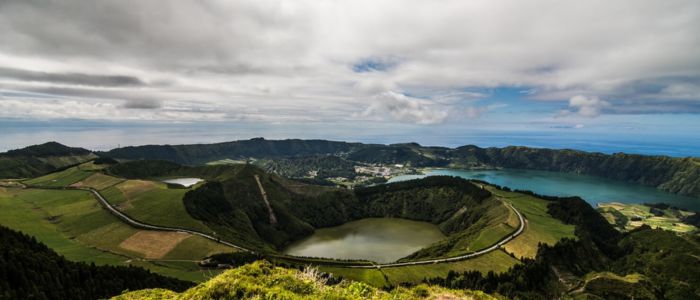
Portugal tourist places usually mean Lisbon or Porto. Maybe the Algarve if you're feeling adventurous. But the Azores? This nine-island archipelago in the middle of the Atlantic Ocean runs almost entirely on renewable energy—geothermal and wind, mostly.I mean, when you're sitting on active volcanoes, you might as well use them, right?
The islands are lush. Green doesn't even cover it. And the hydrangeas—God, the hydrangeas line every road in shades of blue and purple that look photoshopped but aren't. You can whale watch (responsibly), hike crater lakes, soak in natural hot springs, and stay in locally-owned guesthouses that serve cheese so good you'll want to smuggle some home.
Where to stay: Look for affordable family hotels in Ponta Delgada. Many have adapted historic buildings with modern eco-friendly systems. The prices? Shockingly reasonable compared to mainland Europe.
The best part? Even during peak season, it doesn't feel overrun. Maybe because getting there requires a bit of effort. But that's kind of the point, isn't it?
2. Palau: The Island Nation That Banned Reef-Toxic Sunscreen
This tiny Pacific nation made global headlines when it became the first country to ban reef-toxic sunscreen. Bold move. But Palau doesn't do anything halfway.Every visitor must sign the Palau Pledge—stamped right in your passport—promising to act in an environmentally responsible way. It's simultaneously serious and kind of moving. Like, you're literally making a promise to the children of Palau.
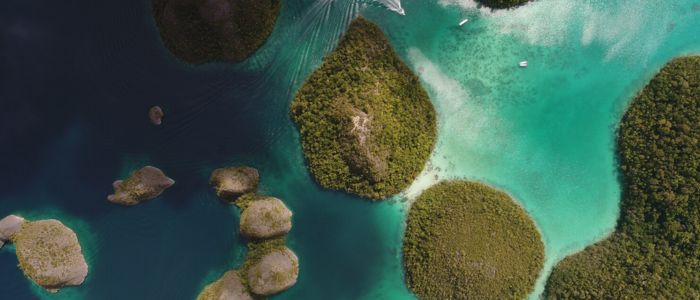
The marine life here is... I don't even have words. Jellyfish lakes. Manta rays the size of small cars. Coral reefs that somehow survived when others didn't. Palau achieved carbon neutrality through aggressive conservation and renewable energy projects, and it shows.
Just don't expect budget accommodations. But if you're hunting for the most affordable 5 star hotels with genuine eco-credentials, Palau's got a few gems that won't completely destroy your savings.
3. Slovenia: Europe's Green Gem That Nobody Talks About
Slovenia is tiny. Like, blink-and-you-miss-it tiny. But it's the first country to be declared a green destination in its entirety by the Global Sustainable Tourism Council.Ljubljana, the capital, banned cars from the city center. Just... banned them. Now it's all pedestrians, bikes, and electric shuttles. The air quality improved dramatically. The cafes spilled into the streets. People actually talk to each other instead of honking.
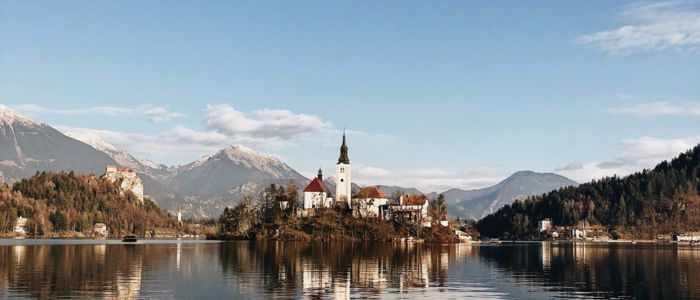
Lake Bled is gorgeous—yes, it's on Instagram, but somehow still peaceful. But skip the crowds and head to Lake Bohinj instead. Same stunning beauty, fraction of the tourists.
Cool things in Argentina—wait, wrong country. But Slovenia's Soča Valley gives Patagonia a run for its money, honestly. Emerald rivers. Julian Alps. And you can do it all without the 14-hour flight.
The food's incredible too. Štruklji (rolled dumplings) and potica (nut roll) will ruin your diet plans. Worth it.
4. Bhutan: Where Happiness and Carbon-Negativity Are National Policy
Bhutan doesn't just offset its carbon emissions. It's carbon negative—meaning it absorbs more CO2 than it produces. The country is covered in forest (by law, at least 60% must remain forested forever), and they've banned plastic bags, tobacco, and unrestricted tourism.You need to pay a daily sustainable development fee to visit. Some people complain about the cost. But honestly? It keeps the country pristine and ensures tourism actually benefits locals.
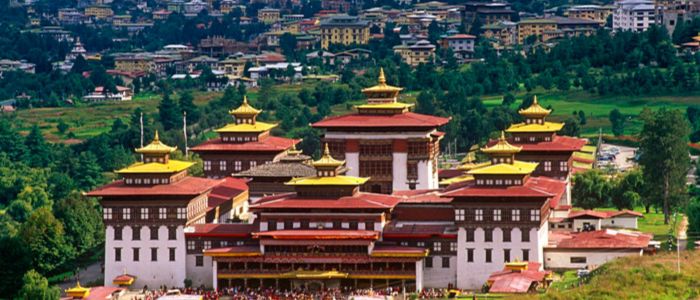
The Tiger's Nest Monastery. The dzongs (fortress-monasteries). Prayer flags snapping in mountain winds. It's spiritual without being preachy. Meditative without requiring you to sit cross-legged for hours (unless you want to).
Plus, archery is the national sport. How cool is that?
5. Norway's Lesser-Known Fjords: Beyond the Tourist Trail
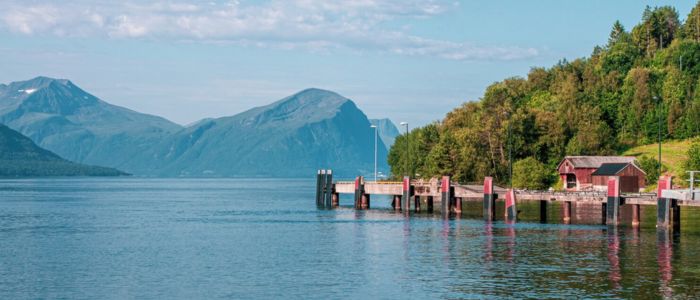
Norway tourist places usually mean Bergen, the Geirangerfjord, or Tromsø for Northern Lights. All stunning. All also kind of crowded in summer.But Norway's committed to becoming carbon-neutral by 2030, and lesser-known regions are pioneering electric transport and sustainable tourism. Narvik in the Arctic Circle offers midnight sun, empty trails, and the Ofoten Railway—one of the world's most scenic train rides.
The Lyngen Alps feel otherworldly. Literally. Sharp peaks dropping straight into fjords. And you might see five other people all day. Maybe.
Staying in affordable family hotels is totally doable if you avoid Oslo and peak summer. Look for farm stays (gårdsferie) where you can actually meet the people raising the sheep whose wool you'll inevitably buy.
Oh, and Norwegian waffles with brown cheese and cloudberry jam? Life-changing.
6. Costa Rica's Caribbean Coast: Rainforest Meets Reef
Everyone goes to Manuel Antonio or Arenal. The Caribbean coast—Cahuita, Puerto Viejo, Manzanillo—stays blissfully quiet.Costa Rica's been a sustainability pioneer for decades. Over 99% renewable energy. Protected rainforests. And this coast combines Afro-Caribbean culture with world-class surfing and sloth-spotting.
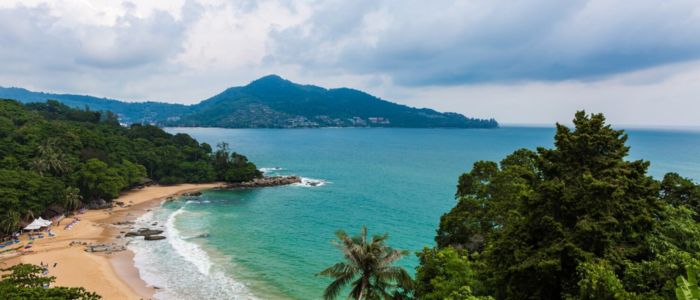
The vibe's different here. Reggae drifts from beach bars. Rice and beans cook on wood stoves. The jungle comes right down to the sand, and you can snorkel coral reefs in the morning and hike rainforest trails in the afternoon.
Budget-conscious? Hostels and local sodas (small restaurants) keep costs low. Casado—a traditional plate of rice, beans, plantain, salad, and protein—costs like $5 and will fuel you for hours.
7. Tasmania, Australia: The Island at the Edge of the World
Tasmania runs on 100% renewable energy. Hydropower, mostly, which makes sense when you see the rivers and mountains.This is uncrowded Christmas destinations territory for Northern Hemisphere folks wanting summer in December. While Sydney and Melbourne swelter with tourists, Tasmania stays cool—literally and figuratively.
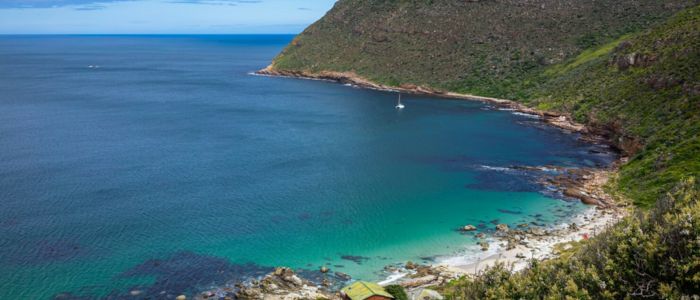
Cradle Mountain. Bay of Fires. Freycinet Peninsula. The landscapes shift from alpine to beach to temperate rainforest in absurdly short distances.
And the food scene? Oh man. Cheese, wine, oysters, whiskey—all world-class. Farm-to-table isn't a trend here; it's just... how things work.
Also, Tasmanian devils are making a comeback. Which is both ecologically significant and adorable.
8. Finland's Lakeland: Water, Sauna, Silence
Finland has 188,000 lakes. That's not a typo. And most tourists stick to Helsinki or Lapland, leaving the central Lakeland region blissfully peaceful.The Finns have this concept: sisu. Basically, perseverance and resilience. They apply it to sustainability too. Carbon-neutral by 2035 is the goal, and they're on track.
Rent a cottage by a lake. There'll be a sauna—always a sauna. Swim in water so clear you can see the bottom at 10 meters. Forage for berries. See exactly zero other tourists.
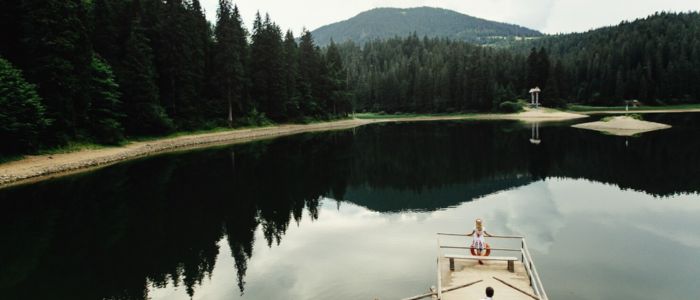
The silence is profound. Not eerie. Just... quiet. Real quiet, which you forget exists if you live in a city.
Summer offers midnight sun. Winter brings Northern Lights and cross-country skiing. Both seasons remain wonderfully uncrowded.
9. Ecuador's Cloud Forests: Not Just About the Galápagos
Everyone knows the Galápagos. Fewer know about Ecuador's mainland cloud forests—Mindo, Bellavista, Tandayapa—which are equally biodiverse and far more accessible.Ecuador's investing heavily in renewable energy and protected areas. These forests sit at the perfect elevation where warm air from the lowlands meets cool mountain air, creating perpetual mist and absurd biodiversity.
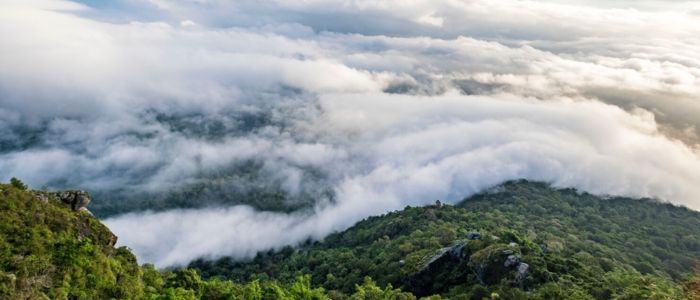
Hummingbirds. So many hummbirds your neck will hurt from looking up. Orchids. Waterfalls. And chocolate—Ecuador produces some of the world's finest cacao, and you can visit farms practicing sustainable agroforestry.
The affordable family hotels here are often ecolodges where your kids can spot toucans from the breakfast table. Beat that, Disneyland.
10. The Outer Hebrides, Scotland: Windswept and Wonderful
These Scottish islands run largely on wind power—which makes sense when the wind never stops. Like, seriously, bring a jacket. Even in summer. The landscapes are stark. Beautiful in a harsh, elemental way. White sand beaches (freezing water, but still). Ancient standing stones. Gaelic culture that's somehow survived modernity.Lewis and Harris produce the famous Harris Tweed—hand-woven in islanders' homes the same way for centuries. Sustainable fashion before it was trendy.
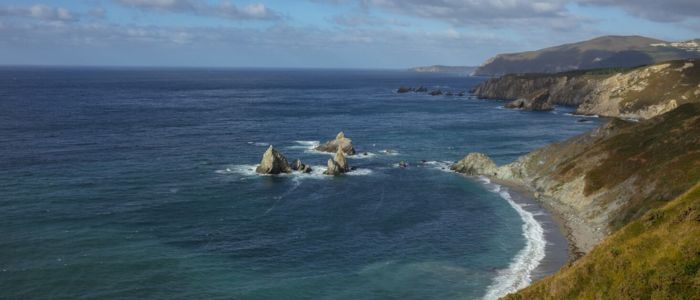
The wildlife's incredible too. Puffins. Golden eagles. Seals lounging on rocks like chubby mermaids.
And whisky. Obviously. Distilleries here use peat and seaweed in ways that create flavors you'll either love or hate. No middle ground.
11. Uruguay's Atlantic Coast: South America's Best-Kept Secret
While everyone flocks to Brazil or Argentina, Uruguay quietly became South America's greenest country. Over 95% renewable energy—wind and solar mostly.The Atlantic coast offers endless beaches, colonial towns like Colonia del Sacramento, and Cabo Polonio—a tiny village with no electricity grid (solar panels only) and a massive sea lion colony.
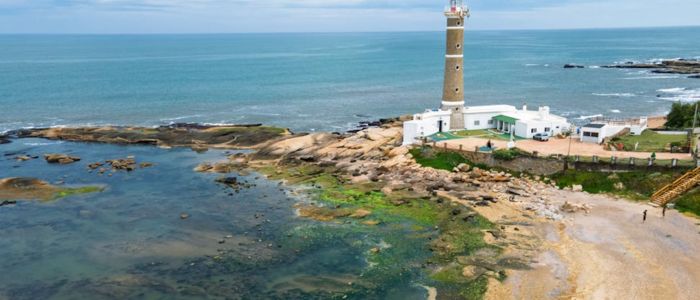
Uruguayans have this concept: tranquilo. Basically, chill. Don't stress. It permeates everything.
The beef's incredible. The wine's underrated. And you can actually afford things here compared to Argentina's inflation.
Plus, mate culture means you're never without hospitality. Strangers will offer you mate (herbal tea drunk from a shared gourd). Accept it. It's a cultural thing.
12. New Zealand's South Island: Beyond the Lord of the Rings Tours
Yes, New Zealand's trying to attract carbon-neutral by 2050. Yes, the South Island gets tourists. But outside Queenstown, it's genuinely quiet.The West Coast—where rainforest meets wild beaches—sees a fraction of the visitors. Glaciers, pancake rocks, and Haast Pass offer dramatic landscapes without the crowds.
Stay in Department of Conservation huts while hiking. They're basic but cheap and put you in the middle of nowhere. The Great Walks get crowded, but dozens of lesser-known tracks don't.
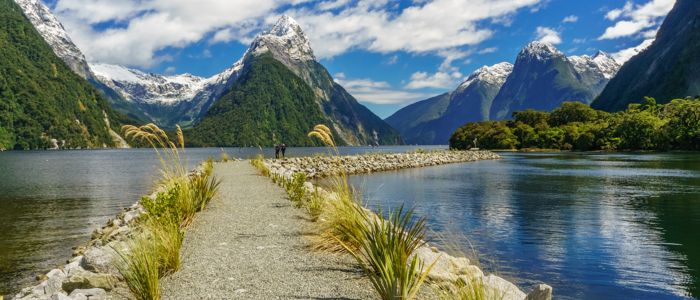
And the stars. God, the stars. Dark sky reserves where the Milky Way is so bright it casts shadows.
Fair warning: the sandflies are biblical. But that's probably why it stays uncrowded.
13. Vermont, USA: Fall Foliage and Serious Sustainability
Tourist places in east coast usually mean New York or Florida. But Vermont's quietly become one of America's greenest states—aiming for 90% renewable energy by 2050.Fall foliage is spectacular, yes. But spring and summer? Equally beautiful with none of the crowds.
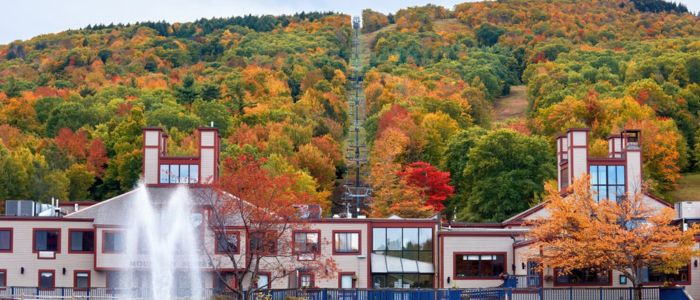
Farm-to-table restaurants, craft breweries, covered bridges, hiking trails—Vermont does pastoral mountain living really well. Plus, Ben & Jerry's factory tours. I'm not saying that should influence your travel decisions, but...
The affordable family hotels situation is good too. Especially if you avoid peak foliage season (late September-early October) when prices spike and every inn books solid.
Vermonters are friendly but don't suffer fools. Appreciate that about them.
14. Dominica: The Nature Island That Stayed Natural
Not the Dominican Republic. Dominica. Different island. Way less developed.Hurricane Maria devastated it in 2017. But rebuilding focused on sustainability and resilience. Geothermal energy. Protected rainforests. Marine reserves.
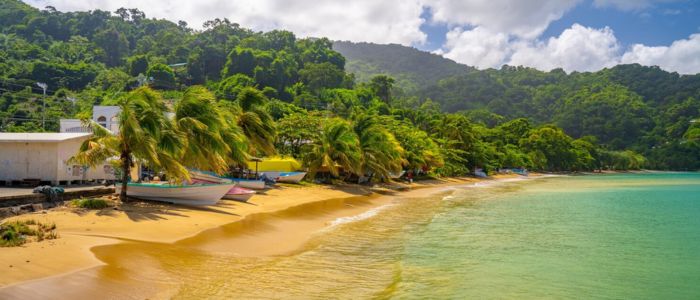
This is the Caribbean island for hikers, not beachgoers. Though the beaches exist—black sand, volcanic, dramatic. The Waitukubuli Trail crosses the entire island through rainforest, past hot springs, alongside waterfalls.
Creole culture's strong here. The food—mountain chicken (actually a frog), provision (root vegetables), fresh fish—is authentic rather than tourist-oriented.
And whale watching season? Sperm whales come so close to shore you can see them from land. It's absurd.
15. Mongolia's Countryside: Nomadic Culture Meets Conservation
Ulaanbaatar's a mess. Skip it. Head straight to the countryside where nomadic herders still live in gers (yurts) and move with the seasons. Mongolia's investing in wind and solar energy across its vast empty spaces. Community-based tourism lets you stay with herder families, learning about a lifestyle that's inherently sustainable—they've been doing circular economy for millennia.The landscapes are harsh. Beautiful but unforgiving. Gobi Desert. Mountain steppes. Eagle hunters in the west.
Mongolian hospitality involves making you eat until you physically can't. Mutton. Dairy products. Airag (fermented mare's milk that tastes exactly like you'd imagine).
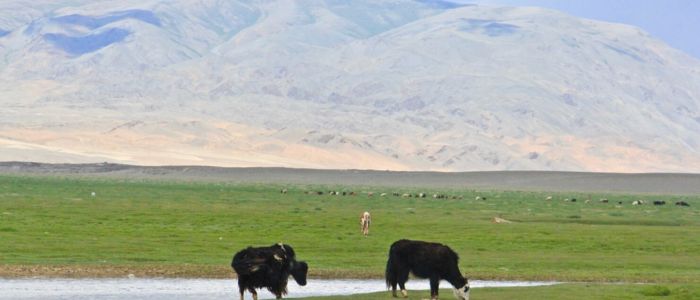
And the night sky rivals New Zealand's. Maybe better, because you're surrounded by complete emptiness.
How We Travel Responsibly in Carbon-Neutral Destinations
We encourage travelers to support verified eco-certifications, choose rail or electric transport where possible, and engage with locally owned enterprises. Responsible travel amplifies the impact of these destinations, accelerating the global transition toward net-zero tourism.Why These Destinations Define Carbon-Neutral Travel in 2026
Each destination listed demonstrates measurable commitment to emissions reduction, renewable infrastructure, and local empowerment. These places move beyond marketing claims, delivering transparent sustainability metrics, carbon offset programs, and regenerative tourism frameworks that benefit both travelers and host communities.Making Your Trip Actually Carbon-Neutral
Okay, so you've picked your carbon-neutral destinations. But getting there involves planes, right? Here's the thing...Offset your flights through certified programs—Gold Standard or Verified Carbon Standard. They're not perfect, but they're legitimate. Some airlines offer it at booking now.
Stay longer in fewer places. A two-week trip to one country beats a whirlwind seven-countries-in-ten-days tour for both emissions and actual experience.
Use public transport or bikes. Most of these places have good systems. Or just walk. You see more that way anyway.
Choose locally-owned accommodations over international chains. The money stays in the community, and they're often more sustainable anyway.
Eat local. That farm-to-table trend isn't just trendy—food miles matter. Plus local food is almost always better.
Planning Your 2026 Adventure to These Carbon-Neutral Destinations
So. Here we are. Fifteen incredible places that prove sustainable travel doesn't mean sacrificing adventure, comfort, or affordability.Whether you're dreaming of Portugal tourist places beyond the guidebook standards, seeking uncrowded Christmas destinations where you won't elbow through crowds for a decent photo, or hunting for most affordable 5 star hotels that don't greenwash their credentials—these carbon-neutral destinations deliver.
Turn your travel plans into reality with Loveholidays budget-friendly offers
The best part? By 2026, even more places will have joined the carbon-neutral club. The momentum's building. Travel's changing. And honestly? It's about time.
These places remind us that the world is still wild, still beautiful, still full of cultures and landscapes worth protecting. Worth visiting responsibly. Worth showing our kids so they inherit something besides our mess.
Book that trip. Just do it right, you know? The planet—and these incredible places to visit—will thank you for it.
Now if you'll excuse me, I need to start researching flights to the Azores. For... research purposes. Obviously.
Experience the world with Travelnags. Your trusted travel companion - guides, budget advice, destination tips and good deals to help you travel smarter, cheaper and better, together!
Read Our More Blog
Everything You Need To Know About The Anıtkabir Entrance Fee
Best Winter Clothes For Women To Stay Warm On Winter Vacations
Maddie Kowalski Eiffel Tower Pic: Capturing Magic At Paris's Most Iconic Landmark
Frequently Asked Questions
Which hotels provide verified carbon neutral stays in popular tourist spots?Look for hotels certified by Green Key, EarthCheck, or LEED in destinations like Slovenia's Ljubljana (Hotel Cubo), Costa Rica's Caribbean coast (various ecolodges in Puerto Viejo), and Tasmania's Freycinet Lodge—these properties offset 100% of their emissions through verified renewable energy and conservation programs.
Which hotels provide verified carbon neutral stays in popular tourist spots?
Verified carbon-neutral hotels include Whitepod Eco-Luxury Hotel in Switzerland, Inkaterra properties throughout Peru, Lefay Resort & SPA in Italy, and Nordic Choice Hotels across Scandinavia (especially in Norway and Finland)—all holding certifications from recognized bodies like Green Globe or the EU Ecolabel.
What are the most popular carbon neutral travel agencies in the US?
Responsible Travel, Natural Habitat Adventures, Intrepid Travel (US branch), and G Adventures lead the carbon-neutral travel agency space in America, offering fully offset trips with verified carbon credits and sustainable tourism practices built into every itinerary.
What are the best practices for choosing a low-carbon holiday?
Choose destinations closer to home or commit to longer stays (two weeks minimum) to justify flight emissions, prioritize train or bus travel over flying when possible, select accommodations with third-party eco-certifications, eat locally-sourced food, use public transit or bikes, and offset remaining emissions through Gold Standard or Verified Carbon Standard programs—basically, travel slower, stay longer, and be intentional about every choice.