
 Mar 24,2026
 By:
By: Overview
New Zealand's coastline is known for its natural beauty, but a lot of travelers don't know that some of the best beaches aren't the ones you see all over social media. They are the ones that are quieter. The secret beaches where the crowds thin out, the noise goes away, and the experience feels more personal.When you choose less crowded beaches in New Zealand, you're not just avoiding people; you're also seeing a different side of the country. One that feels untouched, slower, and much more in touch with nature. These are the places where you might have to walk a little farther, drive a little longer, or plan a little better. But you get space in return. Actual space. The kind that lets you hear the waves, see the details, and enjoy the moment without being distracted.
This guide lists ten of these beaches, which are so beautiful that few people know about them. Each one has something special to offer, from the remote northern shores with their soft white sand to the rough southern coastlines shaped by wind and sea. Some are great for long walks, some are great for quiet thinking, and some are just great for standing still and taking it all in.
These beaches are better than crowded alternatives in ways that aren't immediately obvious. Find your perfect stay near New Zealand’s hidden beaches browse top-rated accommodations on Hotels.com and book with free cancellation options.
Why Choose Less Crowded Beaches in New Zealand?
Not every beach trip has to be about selfies and packed shorelines. Sometimes, you just want to hear your own thoughts again.Choosing less crowded beaches in New Zealand comes with a few unexpected perks:
- Genuine peace and quiet – No loud music, no crowd chatter—just the sound of waves
- Better connection with nature – You notice things. The texture of sand. The smell of salt. Even the weird patterns left by crabs.
- Safer, slower travel experience – No rushing for space or worrying about belongings constantly.
- Photography without interruptions – You don't have to wait for people to move. Because… there aren't many people.
1. New Chums Beach (Wainuiototo) — Coromandel's Hidden Gem
New Chums Beach — or Wainuiototo, its Māori name — is one of those places…that makes you stop walking and just stand there. It consistently appears on lists of the world's best beaches, and yet somehow it stays quiet. Why? Because there's no road in. You park at Whangapoua and walk 20-25 minutes through bush and over a rocky headland to reach it.Worth every step.
The beach stretches nearly a kilometre, backed by dense native bush, with no development in sight. There are no cafes, car parks, or ice cream vans. Just pale sand, turquoise water, and occasionally a few other people who made the same trek. The swimming is gentle on calm days, and the snorkelling around the rocks on the southern end is genuinely excellent.
Best time to visit: Weekday mornings, early November or late March — after peak summer but before the cold settles in.
Things to know before you go:
- No facilities at the beach whatsoever — bring everything you need
- The headland crossing can be slippery after rain
- It's a conservation area, so take all rubbish out
2. Rarawa Beach, Northland — Silica Sand and Silence
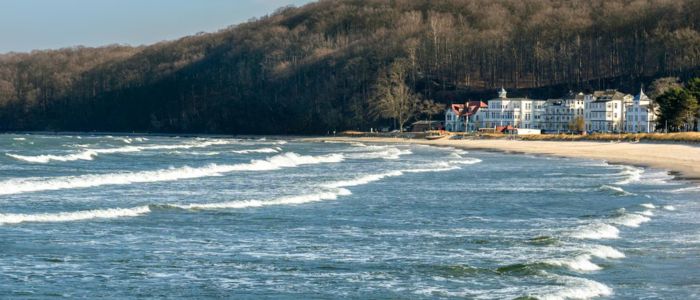
Rarawa Beach sits near the top of the North Island, in that part of Northland that feels genuinely remote. The sand here is noticeably different. Pale, almost white, with high silica content — it squeaks when you walk on it, which adds a surprisingly pleasant texture underfoot.Most travellers blow straight past on the way to Cape Reinga, which is kind of a gift for those who know to stop. The campsite nearby is basic but functional, and waking up here in the early morning — just birds, wind, and that white sand stretching out — is worth the detour alone.
The water can be rough, so swimming needs care. But as a place to walk, think, read, and generally decompress? Rarawa is exceptional.
3. Tapotupotu Bay, Northland — Raw and Remarkable
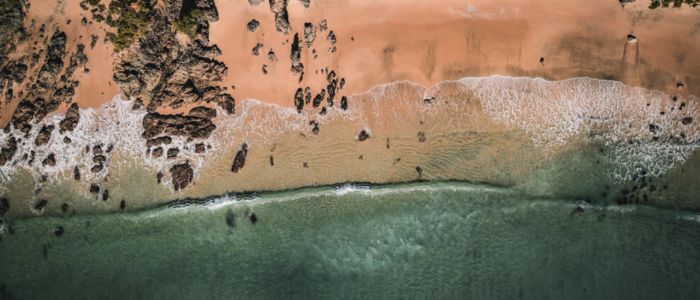
Tapotupotu Bay is the beach just before Cape Reinga, tucked away like a secret the very end of the country is keeping. It's dramatic in the best possible way — pohutukawa trees draped over the cliffs, a stream cutting across the sand, waves with real power.There's a DOC campsite here that fills up sometimes in peak season, but visit on a weekday in April, and you might have the entire bay to yourself. Honestly, I've heard people say this felt like the most "edge of the world" place they'd ever stood. I get it. The light here in the late afternoon goes golden in a way that feels almost staged.
Swimming is possible in the calmer sections near the stream mouth. But mostly, people come here to feel something. Mission accomplished, every time.
4. Anapai Beach, Abel Tasman National Park — Walk In, Drop Everything
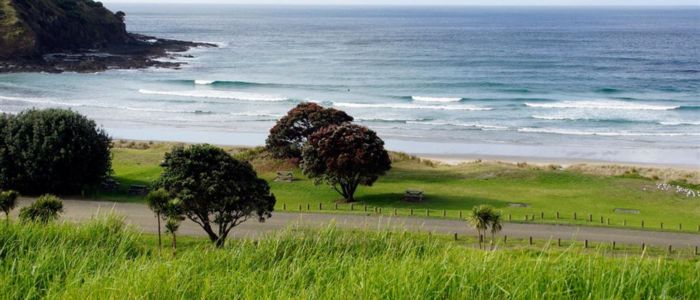
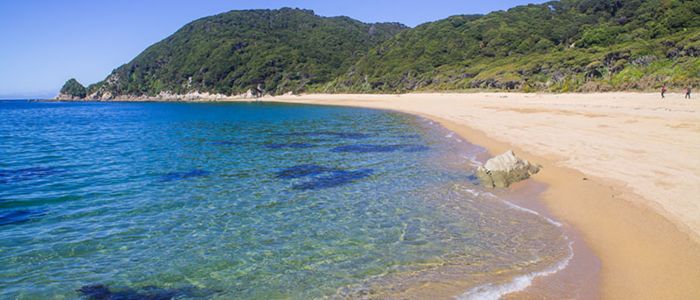
Abel Tasman is not exactly unknown — the coastal track is famous, the water taxis are busy. But Anapai Beach, tucked right at the northern end of the park, near Whanganui Inlet? It is often overlooked.It's small. It's quiet. The golden sand is almost embarrassingly photogenic, and the bush behind it presses close. You reach it by foot or kayak, which naturally limits visitor numbers. The water is that specific shade of green-blue that doesn't look real in photos.
- Why Anapai stays quiet:
- No water taxi stop directly here — you walk
- Most hikers focus on the busier southern sections of the track
- Limited information in mainstream travel guides
5. Wharariki Beach, Golden Bay — Strange and Spectacular
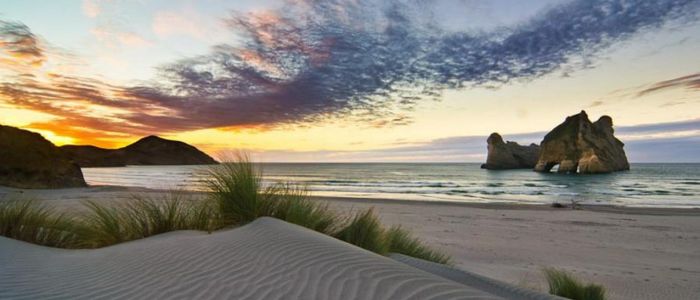
Wharariki Beach near Puponga is the kind of place that makes you feel like you've wandered onto a film set. Sea stacks rise out of the surf. Caves open into the rock. Wild seals laze on the sand like they own the place — which, in a way, they do.You get here via a 20-minute farm track walk from the carpark. Not hard, not dramatic, just enough friction to keep the casual crowds away. The weather at Wharariki can turn fast — it faces the open Tasman Sea — but that unpredictability is part of the charm. Stormy days here are honestly more spectacular than calm ones.
Don't swim. The rips are serious. But walk — absolutely, all the way to the far end if you can.
6. Karekare Beach, Auckland — Wild on the Doorstep
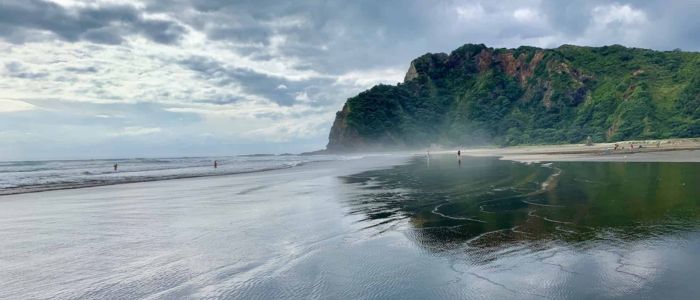
Karekare is only about an hour from Auckland's CBD and it still feels like another world. Black sand, steep bush-covered cliffs, a stream that trickles across the beach to the sea. It's the kind of dramatic West Coast beach that Jane Campion filmed The Piano on, and that atmosphere still lingers.It gets day visitors, yes — but compared to nearby Piha? Karekare stays remarkably quiet. Surf conditions can be serious here (always swim between the flags if there are lifeguards present), but even if you just walk it end to end, that's a full and deeply satisfying hour.
7. Waipiro Bay, East Coast — Where Almost Nobody Goes
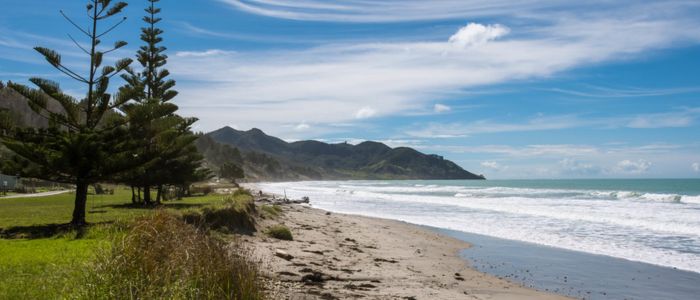
Waipiro Bay sits on the East Coast of the North Island, between Gisborne and Opotiki, in a region that genuinely doesn't see much tourist traffic. The bay is wide and sweeping, the water clean and calm on good days, and the surrounding farmland and hills give it this timeless, slightly forgotten quality.There's a small settlement here — a few houses, that's it. No shops. The locals are friendly in that particular way rural New Zealand people tend to be: warm but unbothered. Visitors blend in naturally here. You're just someone who found the beach.
What makes Waipiro Bay special:
- Genuinely off the tourist trail
- Good surf on bigger swell days
- Peaceful estuary area for calm-water swimming
- Strong local Māori history and presence in the area
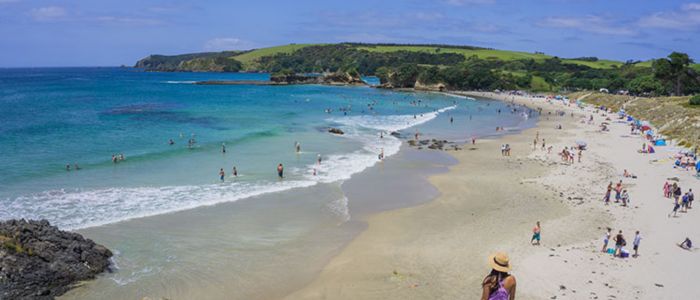
8. Anchor Bay, Tawharanui Regional Park — Predator-Free and Perfect
Tawharanui Regional Park, about 90 minutes north of Auckland, is a pest-free sanctuary — meaning the birdlife here is extraordinary. Anchor Bay is the main beach inside the park, and while it draws weekend day-trippers, it quiets down dramatically on weekdays and outside summer.The water is calm, clear, and genuinely lovely for swimming and snorkelling. The reef at the eastern end is part of a marine reserve — feeding the fish is technically frowned upon but watching them is not, and there is plenty to see.
Arrive early. Bring a book. Stay longer than you planned. That's the standard Anchor Bay experience.
9. White Rock Beach, Wairarapa — End of the Road, End of the World
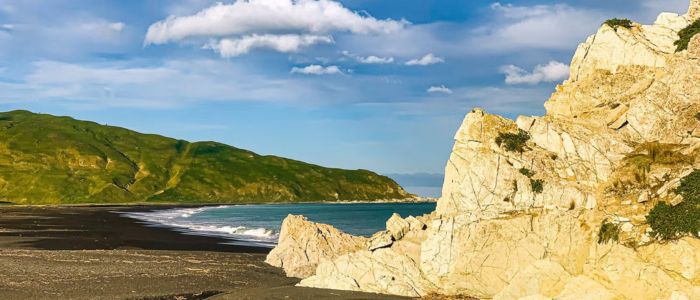
White Rock Beach in the Wairarapa is a mission to reach. A long gravel road, a farm track, a walk — and then suddenly there it is, a wild, exposed coastline with grey-green water and pale rock formations that resemble another planet.This is not a swimming beach. The currents are strong and the surf unpredictable. But as a place to stand and feel genuinely small? It's unbeatable. The Aorangi Range rises behind you, the Pacific stretches in front, and on a clear day you can see for what feels like forever.
Honestly — for the traveller who wants something real, something without gift shops, car parks, or entry fees, White Rock is it.
10. Matai Bay, Northland
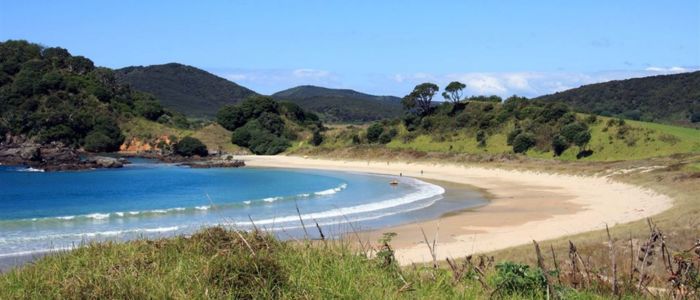
Matai Bay sits on the Karikari Peninsula — a 17-kilometer stretch of land in the Far North that somehow manages to contain multiple world-class beaches without ever feeling overrun. The bay itself is actually two connected coves, divided by a low headland. The southern cove tends to be calmer; the northern one catches more wind and waves.DOC runs a campsite here, and it books out months ahead in summer — which tells you something about how good it is. But outside peak season, Matai Bay is accessible and genuinely peaceful. The water is clear and the sand is the kind of white that photographs well no matter the light. Karikari Peninsula also produces wine (Carrington Estate is nearby), which gives a long day at the beach a rather civilized ending.
Final Thoughts
New Zealand's coastline is extraordinary — and the good news is that most of it remains genuinely wild and genuinely quiet, if you're willing to look past the obvious spots. The less crowded beaches in New Zealand covered in this guide — from the white silica sand of Rarawa Beach in Northland to the seal-haunted stacks of Wharariki Beach in Golden Bay, from the predator-free calm of Anchor Bay to the remote drama of White Rock Beach in the Wairarapa — represent some of the finest coastal scenery anywhere in the world.The trade-off is almost always effort. A longer drive, a short walk, an earlier start. But that's precisely why these places stay the way they are. And once you're standing on New Chums Beach (Wainuiototo) with nothing but sand and bush and water in front of you? You'll understand why it was worth it.
Plan well, travel lightly, and leave the crowds behind. And find your perfect stay near New Zealand’s hidden beaches browse top-rated accommodations on hotels.com and book with free cancellation options.
Experience the world with Travelnags. Your trusted travel companion - guides, budget advice, destination tips and good deals to help you travel smarter, cheaper and better, together!